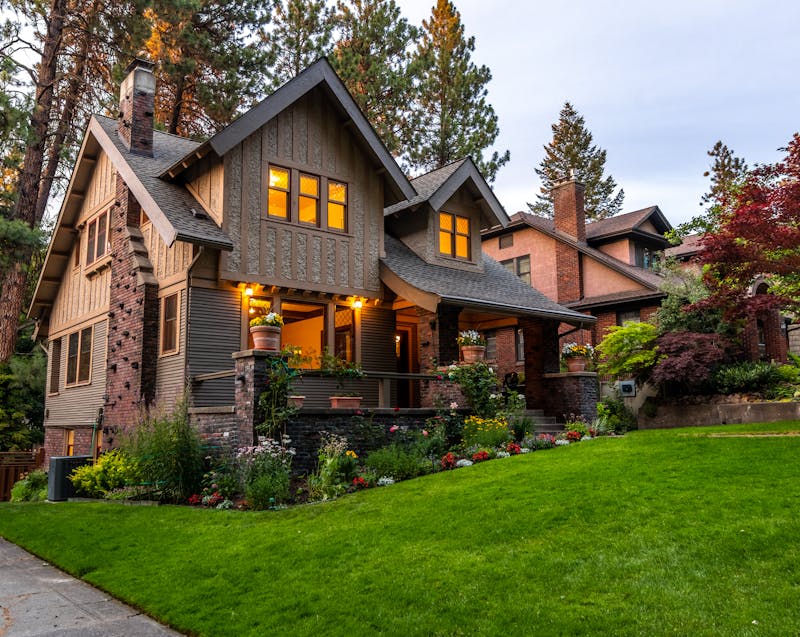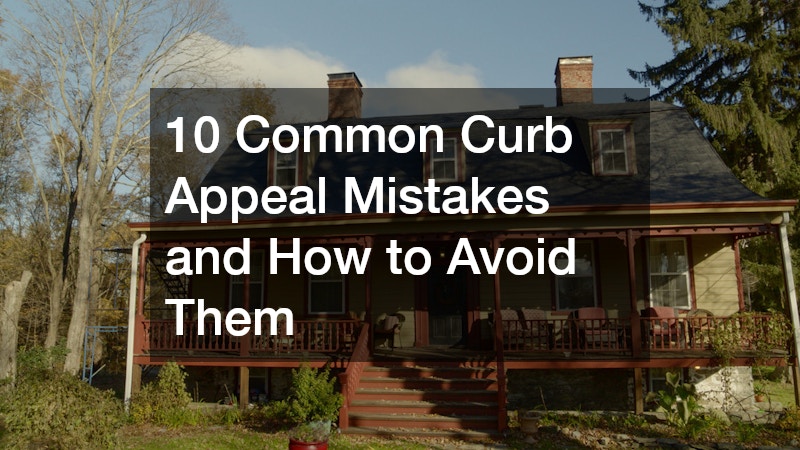

Curb appeal is one of the most powerful ways to influence how your home is perceived. It’s the first impression visitors and potential buyers have when they approach your property, and research shows that a home with well-maintained landscaping and an inviting exterior can command higher resale value. Yet, many homeowners overlook the details that create strong curb appeal, assuming that interior renovations alone will make a difference. Small mistakes, from faded paint to poorly maintained landscaping, can quickly detract from the overall impression, making a property seem neglected or uninviting.
The good news is that most curb appeal mistakes are avoidable. By understanding the key areas that affect exterior aesthetics and taking proactive steps to maintain and enhance them, you can transform your home into a welcoming, visually appealing property. In this guide, we’ll examine ten common mistakes homeowners make and provide actionable, in-depth strategies for correcting them. These tips range from professional services like hiring exterior painting contractors or residential roofers to DIY landscaping improvements, seasonal maintenance, and structural enhancements.
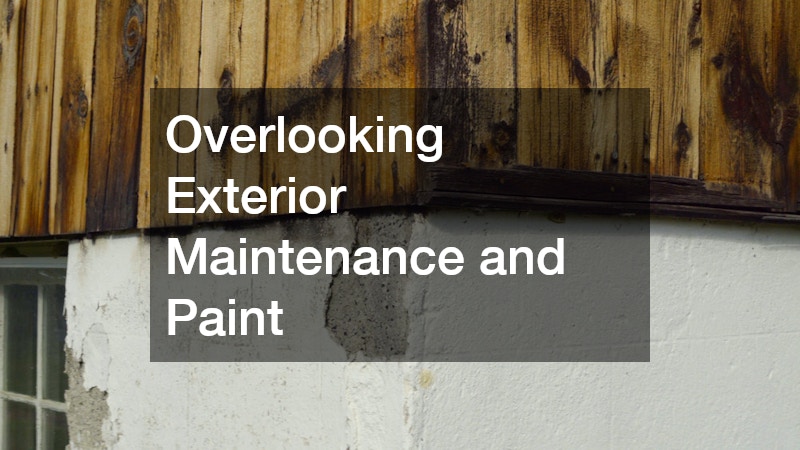
1. Overlooking Exterior Maintenance and Paint
One of the most common mistakes homeowners make is ignoring the exterior paint and surface conditions of their home. Even minor peeling, fading, or cracking can make a house appear worn out, regardless of the quality of the interior. The human eye is naturally drawn to color and texture, and a freshly painted home conveys care, attention, and pride. In contrast, neglected siding, trim, or doors communicates that the property may be poorly maintained overall. It’s important to understand that paint doesn’t just improve aesthetics—it also protects the structure from weather, moisture, and pests.
Hiring a professional exterior painting contractor can make a significant difference in both appearance and durability. Experienced contractors will prepare surfaces correctly, repair damaged areas, and apply high-quality paint evenly, preventing future peeling or fading. Investing in premium paints, such as those from Benjamin Moore, offers enhanced protection against UV rays, mildew, and moisture damage. Beyond the standard color choices, a carefully selected palette can highlight architectural features, create depth, and even make your home appear larger or more inviting. For instance, painting trim in a complementary color or adding a bold front door can transform a bland façade into a visually engaging one.
Pro tips for enhancing paint impact:
- Inspect siding and trim annually, focusing on areas exposed to direct sunlight and moisture.
- Repair minor cracks or chips immediately to prevent larger issues.
- Use primer on repaired areas to improve paint adhesion and longevity.
- Consider accent colors strategically to highlight entryways, window trim, or shutters.
Consistent maintenance of exterior paint not only boosts curb appeal but also preserves the structural integrity of your home, protecting your investment for years to come.
2. Ignoring Roof Health and Appearance
A roof is more than just a functional element—it’s a key visual feature that can define the character of a home. Homeowners often neglect roof maintenance until a problem becomes severe, but this approach can dramatically reduce curb appeal. Missing or damaged shingles, moss or algae growth, and discoloration all create an impression of neglect. Even a beautifully landscaped yard or freshly painted exterior can be overshadowed by a roof in poor condition.
Working with professional residential roofers ensures that issues such as leaks, sagging, or uneven shingles are addressed promptly and safely. Roofers can also provide recommendations for long-term preventative care, including applying protective coatings, upgrading gutters, or installing ridge vents to improve ventilation. Roof cleaning is another key step: removing moss, dirt, and debris not only enhances the aesthetic appeal but also prevents deterioration over time.
Signs your roof may need attention:
- Curling or missing shingles
- Dark streaks or moss patches
- Water stains on ceilings or attic walls
- Sagging sections along the roofline
Regular inspections, timely repairs, and proper cleaning will maintain the visual appeal of your home while also protecting the structure from potential water damage. A well-kept roof complements the overall exterior, reinforcing the perception that the property is well-cared-for and inviting.
3. Neglecting Your Lawn and Garden
Your lawn is one of the first things visitors notice, making it a critical component of curb appeal. Yet, many homeowners fail to implement proper lawn fertilization or watering routines, resulting in brown patches, thin grass, and weed infestations. A healthy lawn creates a sense of vibrancy and life, enhancing every other element of the property. Consistent care—including fertilization, aeration, mowing, and watering—is essential for keeping grass thick, green, and inviting.
Landscaping beyond the lawn also plays a vital role. Planting seasonal flowers, ornamental grasses, and shrubs adds color, texture, and depth to your yard. Mulching garden beds not only enhances aesthetics but also reduces weeds and helps retain soil moisture. Well-maintained beds with clean edges create a polished appearance that draws the eye toward your home rather than away from it.
Essential lawn and garden practices:
- Fertilize your lawn 2–3 times annually, according to the specific grass type.
- Aerate compacted soil annually to promote healthy root growth.
- Overseed thin patches to achieve uniform coverage.
- Trim overgrown shrubs and remove dead or diseased plants.
- Use mulch in flower beds to maintain moisture and prevent weeds.
By dedicating attention to your lawn and garden, you not only enhance curb appeal but also create an outdoor space that is enjoyable and functional year-round. A well-cared-for landscape conveys pride and invites guests to explore your property.

4. Overlooking Chimney and Fireplace Maintenance
Chimneys are often out of sight but should never be out of mind when it comes to curb appeal. A dirty, damaged, or neglected chimney can be a major eyesore, drawing attention away from otherwise well-maintained features. Accumulated soot, moss, or debris can discolor the chimney, while cracked bricks or crumbling mortar can signal structural issues. Scheduling regular chimney cleaning ensures your fireplace and chimney function safely while maintaining a clean, attractive appearance.
Beyond cleaning, inspecting for visible damage is essential. Cracked flues, leaning chimneys, or deteriorating masonry can pose both aesthetic and safety concerns. Repairing or repointing bricks and replacing worn caps not only restores appearance but also protects the home from water intrusion and pest infestation. A well-maintained chimney also complements other architectural features, serving as a charming focal point rather than an eyesore.
Chimney upkeep tips:
- Schedule annual inspections and cleaning, ideally before the heating season.
- Repair damaged bricks, mortar, or caps immediately.
- Pressure wash exterior chimneys to remove soot and stains.
- Install a chimney cap to prevent water damage and wildlife intrusion.
A clean and maintained chimney signals careful attention to detail, boosting the overall impression of your home and reinforcing that the property is safe, attractive, and ready for visitors.
5. Failing to Properly Manage Debris and Trash
Cluttered yards, driveways, and entryways immediately detract from curb appeal. Leaves, broken branches, old furniture, and construction debris create an impression of disorder, overshadowing even the most beautiful landscaping or exterior improvements. Consistent debris removal ensures your property always looks organized and well-cared-for.
For larger projects, especially renovations or landscaping overhauls, using dumpster rentals can make cleanup easier and more efficient. A temporary dumpster allows you to dispose of large quantities of debris safely and prevents piles from accumulating around the property.
Debris management strategies:
- Conduct weekly cleanups to remove leaves, twigs, and yard waste.
- Store gardening tools and equipment in sheds or garages to prevent clutter.
- Keep driveways, walkways, and entryways free of debris.
- Coordinate temporary dumpsters during construction or renovation to maintain a clean exterior.
By maintaining a clutter-free environment, your home appears larger, more organized, and welcoming. This attention to detail enhances every other aspect of your curb appeal, ensuring that visitors and potential buyers are impressed at first glance.
6. Ignoring Topsoil and Garden Bed Quality
Healthy soil is the foundation of successful landscaping. Poor soil can lead to weak, patchy plants, uneven lawns, and poor drainage. Professional topsoil services can dramatically improve soil quality, enhancing its fertility, drainage, and overall structure. Well-prepared soil encourages lush, vibrant growth, giving your landscaping a polished, professional appearance.
Amending garden beds with quality topsoil before planting also ensures long-term plant health. Raised beds or terracing can help with erosion control, while thick layers of mulch prevent weeds and conserve moisture. The combination of nutrient-rich soil, proper bed preparation, and thoughtful planting results in gardens and lawns that look intentional, vibrant, and well-maintained.
Tips for optimal garden soil:
- Test soil pH and nutrient levels before planting.
- Incorporate organic matter such as compost or peat moss for fertility.
- Level garden beds to prevent water pooling or erosion.
- Refresh soil and mulch every 1–2 years for continued growth.
Investing in topsoil and proper bed preparation ensures that all other landscaping efforts pay off, giving your home an enviable, professional-looking exterior.
7. Overgrown or Unkempt Landscaping
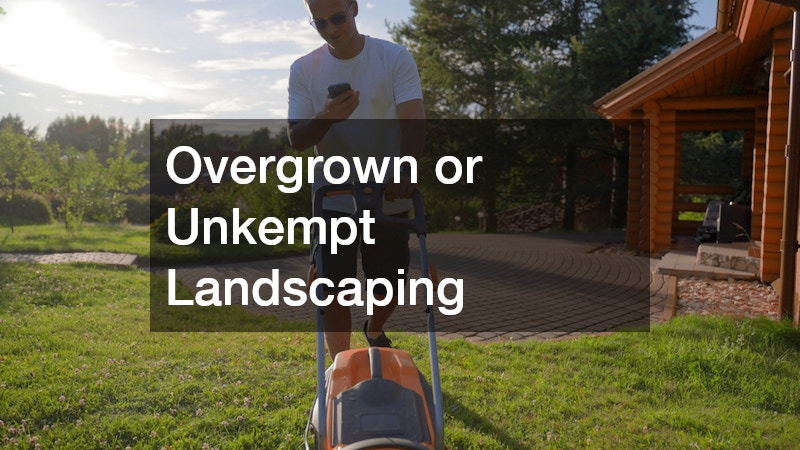
Even the most thoughtfully designed landscaping loses its appeal if left unmanaged. Overgrown shrubs, creeping vines, and untamed trees can block windows, obscure pathways, and overwhelm architectural features. Regular pruning, trimming, and shaping are essential for maintaining balance, proportion, and visual appeal.
Incorporating lumber material into your landscaping—such as raised beds, fences, trellises, or edging—creates structure and adds a visual focal point. Carefully defining the boundaries of lawns, flower beds, and walkways contributes to a clean, organized aesthetic. By combining structural enhancements with routine maintenance, you can transform your outdoor space from chaotic to cohesive, ensuring your home looks inviting and well-tended.
Landscaping management tips:
- Prune shrubs and hedges monthly during the growing season.
- Remove dead or diseased branches promptly.
- Install trellises or raised garden beds for a structured, layered appearance.
- Keep pathways clear and visually connected to the landscaping design.
Well-managed landscaping highlights your home’s architectural features while creating a welcoming, orderly environment that enhances curb appeal.
8. Failing to Address Wildlife and Pest Issues
Unexpected wildlife or pest infestations can detract from curb appeal and even damage your property. Squirrels, raccoons, birds, and insects may leave droppings, chew on wood, or destroy garden plants. Hiring professional wildlife removal services ensures these problems are addressed safely, humanely, and effectively.
Preventive measures are equally important. Sealing potential entry points, trimming tree branches away from the roof, and removing food sources can prevent recurring infestations. Maintaining a pest-free environment protects both your landscaping and structural elements, ensuring your home remains visually appealing and safe.
Wildlife prevention checklist:
- Inspect chimneys, attics, and crawl spaces for access points.
- Trim trees to prevent wildlife from accessing the roof.
- Secure trash bins and remove attractants from the yard.
- Eliminate standing water to reduce mosquito and insect populations.
By addressing wildlife issues proactively, your home’s exterior will remain clean, safe, and visually attractive, enhancing the overall impression for visitors and buyers alike.
9. Poor Walkways and Driveway Maintenance
Cracked, uneven, or stained walkways and driveways can immediately undermine your home’s curb appeal. Weathering, heavy traffic, and neglect contribute to deterioration, making entrances appear unsafe or unkempt. Regular maintenance, including pressure washing, sealing, and repairs, can significantly improve both appearance and longevity.
Adding lumber material—such as steps, railings, or decorative borders—creates a polished, intentional look while defining pathways. Curved walkways or stepping stones add visual interest, while pathway lighting enhances safety and aesthetics, especially at night.
Walkway and driveway tips:
- Power wash surfaces to remove dirt, stains, and moss.
- Fill cracks with appropriate concrete or asphalt filler.
- Install decorative edging or borders to define spaces.
- Add low-voltage lighting to guide visitors and highlight landscaping.
Properly maintained pathways guide visitors toward the home, provide safety, and enhance overall aesthetics, ensuring that first impressions are positive and lasting.
10. Neglecting Seasonal Maintenance and Cleanups
Curb appeal requires consistent attention throughout the year. Seasonal tasks such as gutter cleaning, leaf removal, snow management, and mulching are often overlooked, yet they are critical to maintaining a polished exterior. Ignoring these tasks can make a home appear neglected, even if other areas are well-maintained.
Combining seasonal maintenance with minor touch-ups—like repainting trim, pressure washing siding, and fertilizing lawns—ensures that your property looks fresh and cared-for all year. Planning ahead for seasonal work prevents minor issues from escalating into costly repairs. A home that looks inviting in every season signals to guests and potential buyers that it is well-loved, safe, and professionally maintained.
Seasonal maintenance checklist:
- Spring: Clean gutters, refresh mulch, fertilize lawns, and prune spring-flowering shrubs.
- Summer: Mow regularly, water deeply, and trim overgrown plants.
- Fall: Remove leaves, winterize irrigation systems, and check the roof and chimney.
- Winter: Clear snow and ice, inspect for damage, and salt walkways for safety.
Consistent seasonal maintenance keeps the home looking its best year-round, ensuring your investment in curb appeal continues to pay off and making the property welcoming in every season.
Curb appeal is about more than just beauty—it communicates the care, value, and pride you have in your home. By avoiding common mistakes such as neglecting paint, roofing, landscaping, and seasonal maintenance, you can dramatically enhance the exterior appearance of your property. Implementing professional services like lawn fertilization, chimney cleaning, topsoil services, dumpster rentals, and wildlife removal services in combination with proactive care ensures a polished, inviting, and enduring exterior.
A well-maintained, thoughtfully designed property not only improves first impressions but also increases property value, creates a safe environment, and provides personal satisfaction. With careful planning, regular upkeep, and attention to detail, your home can stand out for all the right reasons, leaving visitors and potential buyers impressed from the moment they arrive.