
Embarking on a home remodeling project can quickly become a significant financial strain if not managed with meticulous attention to budgeting and prioritization. The most common pitfall for homeowners is focusing prematurely on appealing cosmetic finishes while overlooking the critical state of underlying mechanical and structural systems. Successfully executing a renovation without suffering from severe budget overruns requires a firm commitment to a “systems-first” philosophy, meaning that non-negotiable repairs that protect the home’s integrity must always take precedence over aesthetic enhancements. By systematically identifying and addressing high-risk components, homeowners can prevent future catastrophic failures that would wipe out the savings intended for decorative upgrades.
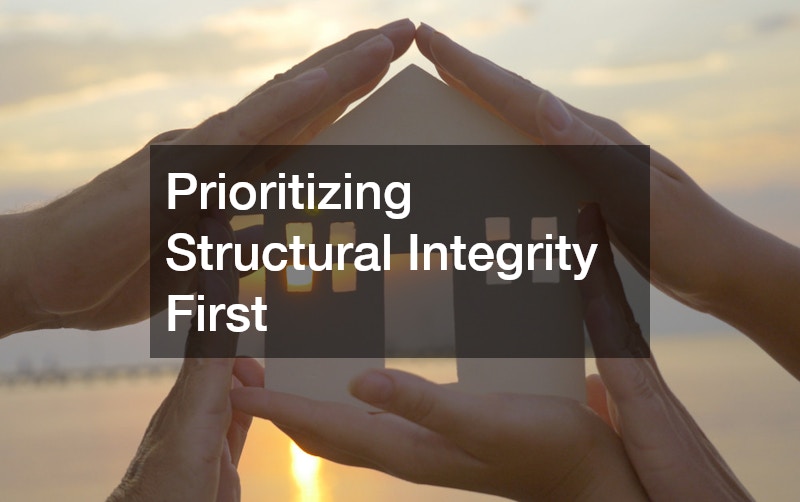
Prioritizing Structural Integrity First
The roof represents the absolute first line of defense for a home, and its structural integrity is the single most important factor determining the health and longevity of every other component within the building envelope. Any visible sign of age, such as warped shingles, sagging, or water staining on the ceiling, signals a high-priority risk that must be addressed immediately, regardless of current funds allocated for interior design. Ignoring this primary layer of protection can lead to catastrophic internal damage, including compromised framing, electrical shorts, and widespread, costly mold contamination.
A truly successful budget strategy demands that the most critical structural elements be repaired or replaced using high-quality materials to ensure decades of protection. Consulting with a professional roofing company early in the process is essential to secure an accurate assessment of the roof’s remaining lifespan, identify necessary repairs to decking or ventilation, and plan for a full, warrantied replacement if the system is compromised. Allocating funds here prevents exponentially greater expenses down the line stemming from water intrusion.
Securing the Building Envelope Early
Beyond the primary roof covering, the overall structural envelope of the home—including the underlying decking, flashing, and ventilation systems—must be thoroughly secured to maintain thermal efficiency and prevent moisture penetration. Even if the shingles appear sound, failures in the peripheral elements, particularly around chimneys, skylights, or eaves, can funnel water directly into the wall cavities. These silent, slow leaks lead to hidden wood rot and costly, widespread insulation failure that erodes energy efficiency and requires expensive interior repair work later.
When budgeting for exterior structural work, it is a sound financial decision to obtain multiple, detailed bids to ensure comprehensive coverage without unnecessary expense. Vetting experienced roofing contractors ensures the entire system, not just the visible shingles, is addressed, including the crucial installation of ice and water barriers and proper attic ventilation. A robust quote from certified contractors protects the structural integrity of the home and locks in warranties that safeguard the investment against future defects.

Obtaining Multiple Bids From Local Experts
A fundamental rule of sound financial management in home remodeling is the absolute necessity of obtaining at least three comprehensive, itemized bids for any significant structural or mechanical repair project before signing a contract. This process is crucial not only for accurately benchmarking costs and preventing significant overcharges but also for clearly defining the exact scope of work, including the specific materials to be used, labor costs, and the extent of the warranty coverage. Homeowners should exercise extreme caution regarding bids that are substantially lower than the market average, as they frequently hide deficiencies in material quality or crucial contractor insurance coverage.
When seeking quotes for exterior envelope work, focusing exclusively on geographically specific professionals provides added value in terms of both accountability and regional expertise. Vetting certified local roofing contractors ensures that the chosen firm is intimately familiar with regional building codes, common local weather stressors (like high winds or ice dams), and maintains established relationships with local suppliers for reliable material sourcing. This localized approach allows for faster project scheduling, easier follow-up on warranty claims, and guarantees greater personal accountability from the service provider.
Addressing Necessary Appliance Repairs
While they lack the instant visual appeal of a new kitchen island or flooring, core functional appliances such as water heaters, furnaces, and main electrical panels are vital to the home’s safe and continuous operation and must be assessed for imminent failure before funds are committed to purely cosmetic work. An aging, inefficient appliance is not just a source of high utility bills; it is a ticking time bomb for an expensive, unplanned emergency replacement that can derail the entire renovation budget and timeline. Prioritizing the preventative maintenance or replacement of these systems protects the home’s financial stability from unexpected catastrophes.
A key budget protection measure is ensuring the long-term reliability of the home’s hot water supply system, as a catastrophic corrosion-induced tank failure can release dozens of gallons of scalding water into the living space, destroying newly installed flooring and drywall. Consulting with a professional water heater repair company is essential for diagnosing the unit’s internal health, accurately identifying corrosion or pressure issues, and advising on whether a simple repair or a full replacement is the most cost-effective, long-term solution. This professional intervention prevents an avoidable flood and its associated emergency expense.

Preventing Catastrophic Water Damage
Undetected or sudden plumbing failures—ranging from burst frozen pipes to major sewer backups—are unequivocally the most destructive and financially ruinous common household disasters a homeowner can face, potentially leading to immediate displacement and six-figure remediation costs. Before sealing up any walls with new drywall or finishes, the condition of all accessible supply lines, drain pipes, and primary connections must be professionally inspected to identify and preemptively replace any corroded or weak components. Addressing these hidden risks is a mandatory first step in preventing secondary damage.
Factoring in the high, non-negotiable cost of emergency intervention is crucial for sound budgetary discipline throughout the remodeling process. The premium rates charged by an emergency plumber for mandatory after-hours or weekend service are exponentially higher than those for a planned maintenance call scheduled during normal business hours. Therefore, addressing known minor leaks or replacing old, questionable plumbing infrastructure (like deteriorated galvanized pipes) through scheduled maintenance is the most effective primary form of budget protection against an urgent, unplanned intervention that would instantly deplete the contingency fund.
Investing in Waste System Maintenance
The sewer and internal drainage system is one of the most critical, yet often-neglected, parts of a home’s buried infrastructure, and its sudden failure can result in raw sewage backing up into the lowest levels of the house, leading to extreme contamination and costly demolition. Since the pipes are largely hidden beneath the floor and ground, insidious issues like invasive tree root intrusion, chronic grease buildup, or structural pipe collapses often go unnoticed until a catastrophic blockage occurs. Proactive maintenance is always infinitely cheaper and less disruptive than emergency biohazard cleanup and remediation work.
To avoid the financial and hygienic nightmare of a sewer backup during or immediately following an expensive renovation, homeowners should invest in professional preventative care as a priority. Utilizing dedicated drain cleaning services for periodic hydro-jetting or internal camera inspections systematically clears stubborn blockages and identifies underlying structural weaknesses in the main sewer line before they cause total failure. This small, consistent preventative expense protects brand-new basement or main-floor finishes from the ruinous effects of a preventable waste system failure.

Selecting Cost-Effective Ground Surfaces
After addressing structural and mechanical risks, interior finishes become the primary focus, but it is easy to deplete a budget rapidly on materials like natural stone or exotic hardwoods that cover the largest surface area of the home. Sound budgeting requires understanding the vast price differences between materials and strategically choosing options that offer high durability and aesthetic appeal without incurring excessive cost. Compromising on the quality of flooring, however, is risky, as replacement is highly disruptive, expensive, and difficult to manage later on, making longevity a key value metric.
Wise material selection involves prioritizing traffic flow, moisture exposure, and cost-per-square-foot to maximize the aesthetic return on investment without overspending. For instance, opting for high-quality luxury vinyl plank or engineered wood provides the desirable look of hardwood at a fraction of the cost, reserving the higher expense for specialty areas like intricate bathroom tiling. Choosing durable material that is appropriate for the room’s function (e.g., highly water-resistant in the kitchen) is a budget-conscious strategy that maintains long-term wear resistance.
Factoring in Exterior Design Costs
A significant cause of post-renovation budget shock is the failure to allocate sufficient funds for the exterior restoration and design necessary to complement the newly finished interior and protect the foundation. Exterior costs include essential structural elements like site grading and drainage correction, as well as cosmetic elements like patios, walkways, and planting that significantly affect curb appeal and property value. Ignoring the exterior means the renovation remains visually incomplete and may still suffer from serious water-related issues due to poor soil management.
To avoid common post-renovation disasters like foundation flooding or erosion, professional execution of the grounds is absolutely essential. Utilizing specialized landscaping services ensures that the final grade slopes correctly away from the foundation to promote proper drainage, effectively protecting the basement and structural integrity from hydrostatic pressure. These experts also select and install appropriate hardscaping and plantings that minimize long-term maintenance and mature gracefully, completing the home’s overall aesthetic upgrade without creating new drainage headaches.
Managing Specialized Outdoor Structures
While not every homeowner undertakes a pool project, those who do must recognize that these specialized outdoor structures represent significant, multi-phase capital investments that incur substantial long-term maintenance, utility, and insurance costs. Successfully budgeting for a major outdoor leisure feature requires rigorous upfront planning that accounts for complex excavation, structural engineering, local permitting fees, and the often-underestimated costs associated with long-term chemical upkeep and energy consumption. Without careful foresight and proper planning, these major projects can quickly become rapid and substantial sources of financial strain.
The initial construction phase of any aquatic leisure area is highly specialized and must be factored into the overall home renovation budget from the absolute outset. Engaging professional pool installation services ensures that the site is properly engineered for local soil conditions, excavation is handled safely and legally, and complex plumbing and electrical systems are installed meticulously according to strict safety codes. Rushing or cutting corners on the initial structural installation leads almost inevitably to slow leaks, shell damage, and expensive structural failures that require massive, budget-destroying remediation costs later in the pool’s lifespan.
Optimizing Pool Water Chemistry
For homes with existing pools, the ongoing, specialized maintenance of the water chemistry is a hidden, continuous expense that profoundly impacts the functional longevity of costly equipment, including pumps, heaters, and filtration systems. Improper chemical balance, specifically pH and alkalinity levels, accelerates corrosion of metal components and causes destructive scale buildup on the pool’s interior surfaces, leading to costly surface repairs and premature replacement of mechanical elements. Budgeting realistically for this routine, highly specialized care is essential for preventing massive, unplanned capital expenditures down the line.
One common, persistent challenge for pool owners is managing the level of mineral saturation, particularly calcium, which can lead to hard, damaging scaling that ruins plaster and clogs essential filters. Professional service is often required to technically address this issue. Specialized techniques designed to lower calcium hardness in pool water prevent destructive mineral scale buildup on expensive heater elements and delicate tiles, thereby protecting the structure’s finish and ensuring the continued efficient function of the entire circulation system. This chemical diligence is a proactive, long-term budget-saver.
Maintaining budget control during a home remodel is ultimately a decisive victory achieved through rigorous discipline and prioritization, not luck or arbitrary cost-cutting on necessary structural elements. The most financially responsible approach involves a firm, unwavering commitment to addressing hidden, high-risk systems—such as roof integrity, plumbing vulnerability, and HVAC efficiency—before any funds are allocated to visual finishes. By strategically securing the home’s primary structural and mechanical components first, homeowners effectively protect the entire asset from catastrophic failure and prevent expensive emergencies. This disciplined, systems-first strategy ensures that every dollar spent on subsequent cosmetic upgrades delivers maximum long-term value without the continuous threat of a looming, budget-destroying, unplanned repair. Be sure to reach out to the local experts in your area to get started with the home remodeling process! We hope that this guide was able to help you better understand how to keep your finances in check throughout the remodel.