
A backyard has the potential to become far more than unused outdoor space behind a home. When approached thoughtfully, it can evolve into a personal retreat that supports rest, social connection, and everyday enjoyment. Many homeowners begin to envision this transformation when they recognize how outdoor environments influence their mood, comfort, and lifestyle. Fresh air, natural light, and intentional design work together to create settings that invite people to slow down and spend time outside. Rather than focusing solely on appearance, a well-planned backyard prioritizes how the space feels and functions throughout the day and across seasons.
The process often begins with understanding how the yard will be used. Some people imagine quiet mornings with coffee and a book, while others picture evening gatherings, family activities, or weekend entertaining. A relaxing backyard does not require extravagant features, but it does benefit from cohesion. When materials, layouts, and focal points work together, the environment feels balanced and inviting instead of cluttered or chaotic. Comfort becomes easier to achieve when pathways, seating areas, and open zones are designed with intention.
Establishing Flow and Comfort Through Thoughtful Layout and Durable Surfaces
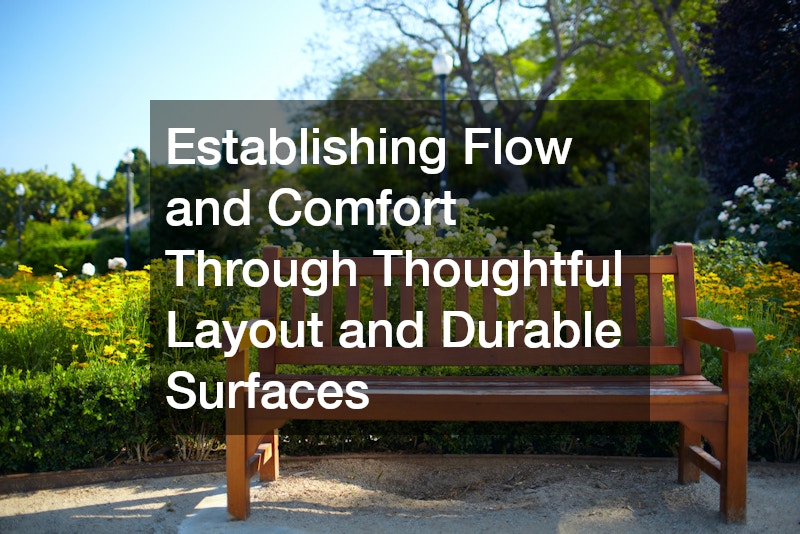
A sense of relaxation begins with how a backyard is organized. When pathways, seating areas, and open spaces are arranged logically, the yard feels intuitive rather than overwhelming. Homeowners who are creating a backyard with relaxation in mind often start by identifying natural movement patterns. Understanding how people enter the space, where they tend to gather, and which areas should remain open helps guide layout decisions. Clear transitions between zones prevent the yard from feeling cramped or disjointed.
Lighting and visibility further support a sense of ease. Pathways that are clearly defined help prevent accidents and encourage movement throughout the yard after sunset. Subtle illumination can highlight boundaries without overpowering the natural atmosphere. This is where landscape lighting installations become valuable. Soft, well-placed lighting enhances safety and ambiance while maintaining a calm, welcoming environment. Rather than bright overhead lights, low-level fixtures create a soothing glow that complements evening relaxation.
The surfaces within a backyard play a crucial role in both function and comfort. Walkways, seating areas, and gathering spaces all rely on stable, well-designed foundations. Homeowners creating a backyard that encourages relaxation often focus on materials that balance durability with visual appeal. The right surfaces provide structure while still blending naturally with the surrounding environment.
Hard surfaces define how people move and interact within the space. Paths guide visitors through the yard, patios establish places to gather, and transitions help separate different activity zones. When these elements are planned carefully, the yard feels organized rather than cluttered. Working with experienced hardscaping contractors can help ensure that surfaces are installed correctly and positioned to support long-term use. Proper grading and drainage also prevent issues that could disrupt comfort over time.
Incorporating Water Features for Rest and Recreation
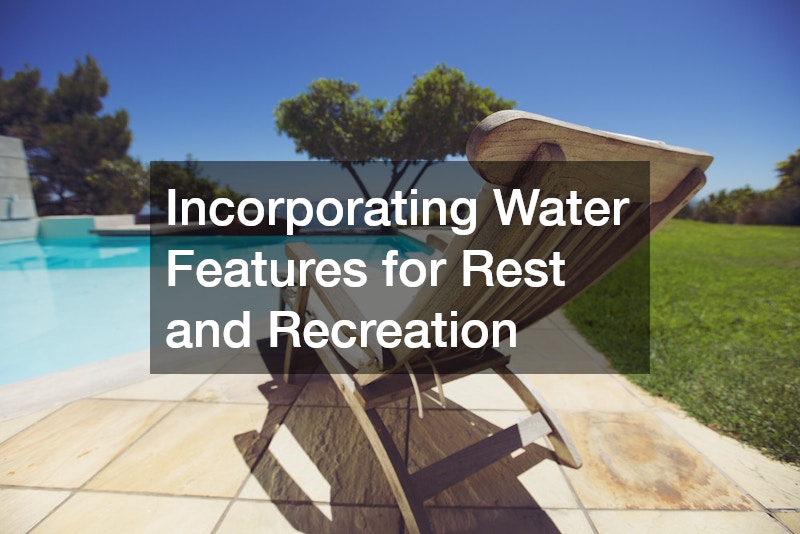
Water has a natural calming effect, making it a powerful element in backyard design. The sound, movement, and reflective qualities of water can transform an ordinary yard into a tranquil environment. Homeowners creating a backyard focused on relaxation often explore ways to incorporate water features that align with their lifestyle. Whether for quiet enjoyment or active recreation, water adds versatility and visual interest.
Swimming pools are a common focal point in many outdoor spaces. When thoughtfully designed, they serve as both a recreational feature and a visual centerpiece. Collaborating with local pool builders allows homeowners to tailor pool size, shape, and placement to their specific needs. A well-positioned pool enhances flow within the yard, rather than dominating it, and supports both relaxation and social interaction.
Beyond swimming, water features can create zones for lounging and conversation. The presence of water encourages people to slow down and spend time outdoors, especially during warmer months. Even when not in use, a pool or water element contributes to the overall atmosphere by adding movement and reflection to the landscape. This dynamic quality prevents the space from feeling static or overly structured.
Defining Privacy and Boundaries Without Closing Off Space
Privacy plays a significant role in how comfortable people feel in their backyards. A relaxing environment often depends on feeling sheltered from noise, neighboring views, and outside distractions. Homeowners creating a backyard with enjoyment in mind typically seek solutions that establish boundaries while preserving openness. The goal is to feel protected without making the space feel confined.
Physical boundaries can be both functional and aesthetic. Thoughtful fence installation helps define property lines and create a sense of enclosure. The choice of materials, height, and placement influences how the backyard feels. Semi-open designs allow airflow and light to pass through, maintaining a connection to the surroundings while still offering privacy. Landscaping also contributes to boundary definition. Trees, shrubs, and layered plantings soften hard edges and add natural screening. These elements create a buffer that feels organic rather than rigid. Over time, living boundaries evolve, enhancing the sense of retreat as plants mature. This gradual transformation adds depth and character to the yard.
Privacy structures can also guide how different areas are used. A screened section may encourage quiet relaxation, while more open areas support social gatherings. These subtle distinctions help the yard feel purposeful without relying on walls or partitions. Visual cues guide behavior naturally, supporting relaxation through intuitive design. When boundaries are handled thoughtfully, they enhance comfort without sacrificing openness. The backyard becomes a personal refuge that still feels connected to nature. By balancing enclosure and flow, homeowners can enjoy a sense of seclusion that supports relaxation and everyday enjoyment.
Creating Gathering Spaces Around Outdoor Flooring
Outdoor flooring establishes the foundation for many backyard activities. It defines where people gather, dine, and relax. Homeowners creating a backyard that encourages enjoyment often focus on flooring options that balance comfort, durability, and style. These surfaces support daily use while contributing to the overall atmosphere.
Areas around water features, such as pool decks, require special attention. These spaces should feel comfortable underfoot and remain safe in varying conditions. Materials that stay cool and provide traction enhance usability, allowing people to move easily between lounging and swimming. A well-designed deck becomes an extension of the pool experience rather than a separate element.
Beyond pools, patios, and seating areas benefit from surfaces that invite long stays. A paver patio offers flexibility in design and pattern, allowing homeowners to customize the look without overwhelming the space. The modular nature of pavers also supports repairs and adjustments over time, contributing to long-term satisfaction.
Consistency across flooring types helps maintain visual flow. When transitions are smooth and materials complement each other, the yard feels cohesive. This cohesion supports relaxation by reducing visual clutter and creating a sense of order. Flooring choices should enhance, not compete with, surrounding greenery and features. Outdoor flooring does more than support furniture. It shapes how people interact within the space. By choosing materials that feel welcoming and practical, homeowners create gathering areas that naturally draw people together. These foundational surfaces quietly influence comfort and enjoyment, making them essential to a relaxing backyard design.
Designing Sheltered Areas for Year-Round Comfort
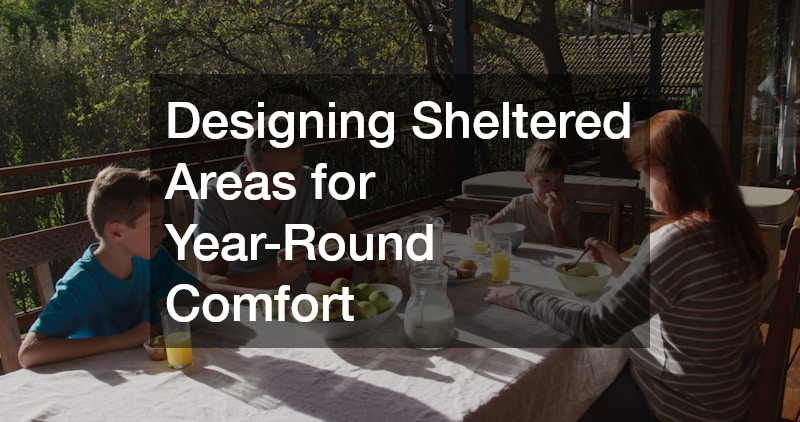
The weather can significantly impact how often a backyard is used. Sun, rain, and wind all influence comfort levels. Homeowners creating a backyard that supports relaxation throughout the year often incorporate sheltered spaces that protect without isolation. These areas extend usability and encourage outdoor living in a wider range of conditions.
Structures such as screen porches create comfortable environments that bridge indoor and outdoor living. They allow fresh air and natural light while reducing exposure to insects and harsh weather. This balance makes them ideal for quiet relaxation, reading, or casual gatherings. The sense of enclosure adds comfort without sacrificing connection to the surrounding landscape.
Shaded areas also play an important role in managing temperature. Covered spaces prevent overheating during warmer months and offer refuge from sudden weather changes. When these structures are integrated seamlessly into the backyard design, they feel like natural extensions of the home rather than add-ons.
Flexibility is key. Sheltered spaces can serve multiple purposes depending on the season. They may host dining areas in summer and cozy seating in cooler months. This adaptability ensures that the backyard remains a valuable part of daily life, regardless of weather conditions. By incorporating shelter thoughtfully, homeowners enhance comfort and usability. These protected zones support relaxation by reducing environmental stressors, making it easier to enjoy time outdoors throughout the year.
Blending Hard Surfaces With Natural Elements
Balancing built features with natural elements helps create a calming outdoor environment. Homeowners creating a backyard that feels restorative often focus on integrating hard surfaces with greenery in a way that feels organic. This blend prevents the space from feeling overly rigid or artificial.
Patios and walkways provide structure, but surrounding them with plants softens their appearance. Working with a concrete patio contractor can ensure that surfaces are designed to complement, rather than dominate, the landscape. Subtle textures and neutral tones allow natural elements to remain the focal point.
Natural materials, such as stone or wood accents, further enhance this balance. They create visual continuity between hardscaping and planting areas. This cohesion supports relaxation by reducing contrast and visual noise. The eye moves comfortably across the space, reinforcing a sense of harmony.
Maintenance considerations also influence how well hard and natural elements coexist. Durable surfaces paired with low-maintenance plantings reduce the effort required to keep the yard looking inviting. This ease contributes to long-term enjoyment and reduces stress associated with upkeep. When hard and soft elements are balanced effectively, the backyard feels grounded and welcoming. This integration supports both function and aesthetics, creating an environment where relaxation comes naturally.
Supporting Family Activities Without Sacrificing Calm
A backyard designed for relaxation can still accommodate active use. Homeowners creating a backyard for families often seek ways to support play while maintaining a peaceful atmosphere. Thoughtful zoning allows different activities to coexist without conflict.
Designated play areas keep energetic activities contained. Installing artificial playground turf provides a durable, low-maintenance surface that supports active use without creating muddy or worn patches. This material blends into the landscape while offering a practical solution for families. Separating play zones from quiet areas helps preserve calm. Visual cues, such as plantings or pathways, guide movement and behavior naturally. This organization allows children to play freely while adults enjoy relaxation nearby.
Managing Light and Shade for Daily Comfort
Light has a powerful influence on mood and comfort. Homeowners creating a backyard that encourages relaxation often consider how sunlight and shade interact throughout the day. Managing exposure helps ensure that the space remains comfortable and inviting from morning to evening.
Adjustable features provide flexibility. Installing roller shades allows homeowners to control light levels easily, adapting to changing conditions. These elements offer shade without permanently blocking views or airflow, supporting both comfort and openness. Natural shade from trees and pergolas also contributes to balance. These features filter light rather than eliminating it, creating dappled patterns that enhance visual interest. The interplay of light and shadow adds depth to the space, making it feel dynamic yet calming.
Evening lighting should complement natural light management. Soft illumination maintains visibility without disrupting the relaxed atmosphere. When light is handled thoughtfully, the backyard feels welcoming at all hours. Effective light and shade management enhances usability and comfort. By adapting to natural conditions, homeowners create outdoor spaces that support relaxation throughout the day.
Bringing All Elements Together for Lasting Enjoyment
A truly relaxing backyard emerges when all design elements work together cohesively. Homeowners creating a backyard that supports enjoyment focus on integration rather than isolated features. Each choice, from layout to materials, contributes to the overall experience.
Consistency in design language helps unify the space. Repeated textures, coordinated colors, and aligned sightlines create harmony. This cohesion supports relaxation by eliminating visual distractions and reinforcing balance.
Long-term thinking also plays a role. Durable materials, adaptable layouts, and flexible features ensure that the backyard remains enjoyable as needs evolve. Planning for future use prevents the space from feeling outdated or limited. Most importantly, a successful backyard reflects personal preferences. When the space aligns with how homeowners live and relax, it becomes an extension of their daily routines. Comfort, functionality, and beauty combine to create an environment that invites ongoing use.