A beautiful patio, deck, or outdoor kitchen loses its charm fast if it cracks under winter freezes or fades after one brutal summer. Smart outdoor planning means thinking beyond the first season and asking how each addition will hold up against rain, heat, snow, and everything in between. Whether you’re adding a structure, updating your lighting, or protecting the systems that keep your home comfortable year-round, durability should guide every decision.
This outline walks through the key considerations for building outdoor additions that actually last.
Choosing Roofing Materials That Handle Every Climate Swing
The roof over any outdoor structure, whether it’s a covered porch or a freestanding pavilion, takes the brunt of seasonal abuse. Sun exposure breaks down cheaper materials within a few years, while heavy snow loads can cause sagging or outright collapse if the structure wasn’t built for it. Talking with experienced roofing contractors before you commit to a material saves you from costly replacements down the road. They can walk you through how different materials perform in your specific region’s weather patterns.
Material choice matters as much as installation quality. Metal panels reflect heat and shed snow easily, while asphalt shingles offer a budget-friendly option that still performs well in moderate climates. Whatever you choose, make sure it’s rated for your area’s wind speeds and temperature extremes.
- Ask about warranty coverage for extreme weather damage
- Request samples to see how materials look after accelerated weathering tests
- Confirm proper ventilation to prevent moisture buildup underneath the roof
- Check local building codes for snow load and wind resistance requirements
Illuminating Pathways and Patios for Safety and Style
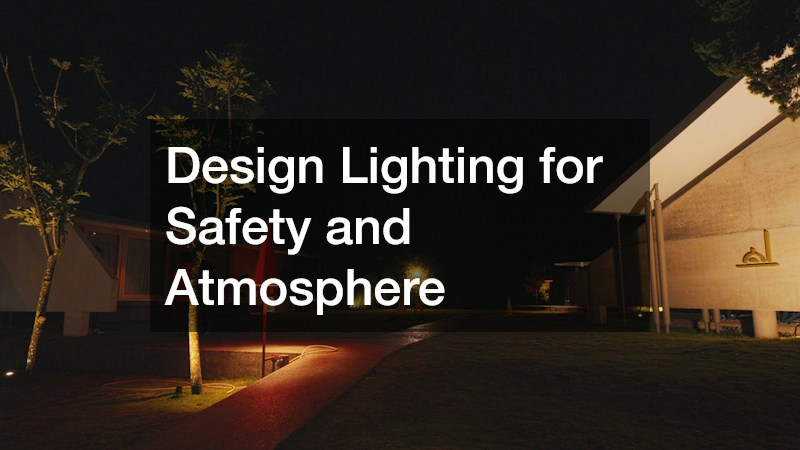
Good lighting extends the usable hours of any outdoor space and adds a layer of safety that’s easy to overlook until someone trips on a dark step. Well-planned landscape lighting highlights architectural features, garden beds, and walkways while deterring potential intruders. The key is layering different light sources rather than relying on a single floodlight for the entire yard.
Durability matters here too, since fixtures left outside face moisture, temperature swings, and UV exposure year after year. Low-voltage LED systems tend to outlast older halogen setups and cost less to run over time. Look for fixtures rated for wet locations, not just damp ones, if they’ll be exposed to direct rain or snow.
- Use solar-powered path lights in areas without easy wiring access
- Install motion-sensor fixtures near entry points for added security
- Choose fixtures with sealed housings to prevent water intrusion
- Group lights in zones so you can control areas independently
Protecting Your Home Cooling System During Outdoor Projects
When you’re adding decks, patios, or landscaping features near your home’s exterior, it’s easy to forget about the outdoor condenser unit sitting quietly nearby. Construction debris, new plantings, or shifted grading can interfere with airflow and drainage that your cooling system depends on. Before breaking ground, map out a clearance zone around the unit so your outdoor addition doesn’t create problems later.
If your project does end up affecting the unit’s surroundings, it’s worth having a professional check things over. Reliable AC companies can confirm that airflow clearance and drainage are still adequate after landscaping changes. Catching an issue early is far cheaper than dealing with a system failure in the middle of summer.
- Keep at least two feet of clearance around the outdoor unit
- Avoid planting shrubs or trees directly in front of the unit
- Grade soil away from the unit to prevent water pooling
- Schedule a post-construction inspection if grading or drainage changed
Keeping Your Heating System Ready Before Cold Weather Hits
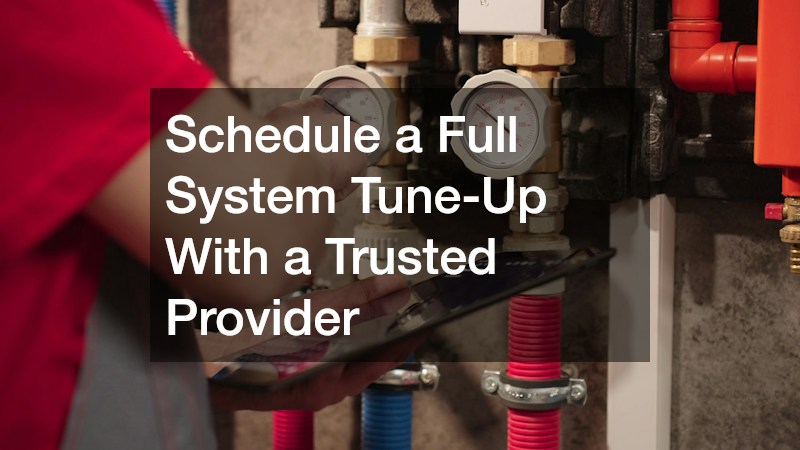
Outdoor additions often shift how air moves around your home’s exterior, and that can have a surprising effect on indoor comfort during colder months. New fences, enclosed porches, or dense landscaping can block vents or alter airflow patterns near your furnace’s exhaust. It’s worth having a technician look at your setup once any major structural changes are complete.
Scheduling furnace repairs before the first cold snap, rather than during it, means you won’t be stuck waiting for an appointment when everyone else has the same idea. A quick fall inspection can catch worn belts, clogged filters, or exhaust blockages that developed over the summer construction season. Think of it as routine maintenance that protects both your comfort and your wallet.
- Check that exhaust vents remain unobstructed by new structures
- Replace filters before the heating season begins
- Listen for unusual noises that suggest wear on moving parts
- Keep a service record to track recurring issues over time
Matching Roof Styles to Patio Covers and Outdoor Structures
If you’re adding a covered patio or outdoor kitchen, matching the new structure’s roofline to your home’s existing architecture makes a real difference in resale value and curb appeal. A mismatched addition can look like an afterthought rather than a thoughtful extension of the home. Many homeowners consult the same roofing companies that handled their house to keep materials and colors consistent.
Consistency isn’t just cosmetic. Using compatible materials means the transition points between old and new roofing are less likely to leak or deteriorate unevenly. It also simplifies future maintenance since you’re not juggling two completely different systems that age at different rates.
- Bring a photo of your existing roof when shopping for materials
- Ask about color-matching options for shingles or metal panels
- Confirm flashing details where new and old rooflines meet
- Request a maintenance timeline that covers both sections
Preparing Garden Beds and Soil for Long-Term Plant Health
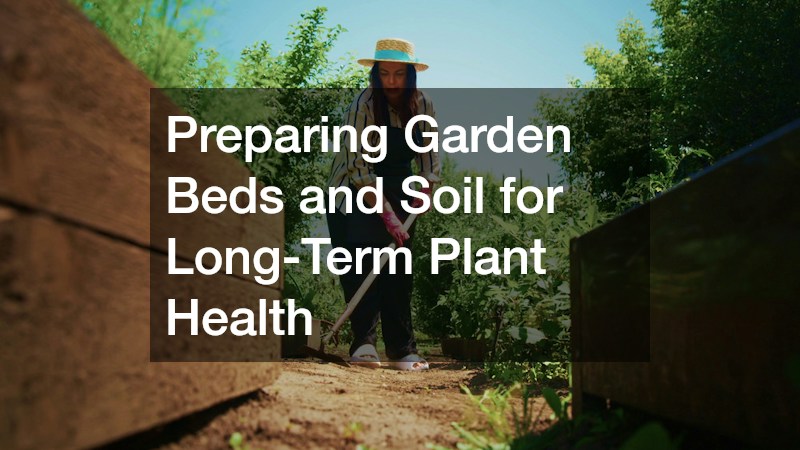
Healthy landscaping isn’t just about what you plant, it’s about what’s underneath those plants. Soil that drains poorly or lacks nutrients will struggle no matter how much money you spend on mature trees or flowering shrubs. Before planting anything permanent, test your soil and amend it based on what your specific plants need.
A fresh layer of mulch does more than make beds look tidy. It regulates soil temperature, slows moisture evaporation, and suppresses weeds that would otherwise compete with your plants for nutrients. Reapplying it once or twice a year keeps beds healthy through both scorching summers and freezing winters.
- Test soil pH before selecting plants for specific beds
- Apply a two to three inch layer for effective weed suppression
- Avoid piling material directly against tree trunks or stems
- Choose organic varieties that break down and enrich soil over time
Hiring the Right Professional for Deck Construction
A deck is one of the most visible and heavily used outdoor additions, which means construction quality really shows over time. Boards that warp, railings that loosen, or fasteners that rust all point back to shortcuts taken during the build. Working with an experienced deck builder who understands local climate challenges helps you avoid these headaches years down the line. Before hiring anyone, ask about their experience with your specific region’s conditions — freeze-thaw cycles, heavy rainfall, or intense UV exposure all demand different construction approaches. A qualified deck builder should be able to explain why they recommend pressure-treated joists over standard lumber, or why they space boards a certain way to allow for expansion and contraction. They should also know local building codes inside and out, including frost-depth requirements for footings, which often sit between 12 and 48 inches depending on your climate zone.
Fasteners matter more than most homeowners realize. Stainless steel or coated composite screws cost more upfront than basic galvanized options, but they resist corrosion far longer, especially in coastal or high-humidity areas. A contractor who defaults to the cheapest hardware available is telling you something about how the rest of the project will go. Always ask for references from projects at least five years old, not just recent builds. A deck that still looks solid after five seasons of weather exposure says more about craftsmanship than any sales pitch. Checking for proper licensing, insurance, and manufacturer certifications for composite or PVC decking systems also protects you if problems surface down the road.
Before you even start interviewing contractors, think through material choices since this affects who you should hire. Composite decking resists rot and insect damage better than traditional wood, though it costs more upfront — often 20-30% more than pressure-treated lumber. Not every deck builder has equal experience with composite materials, so ask prospective contractors directly how many composite installations they’ve completed in the last few years. Whatever material you choose, make sure fasteners and hardware are rated for outdoor exposure so they don’t corrode and weaken the structure.
Stainless steel or hot-dipped galvanized hardware is worth the extra cost, since cheaper coated screws can rust within a few seasons, especially near coastlines or in humid climates. A qualified contractor should be able to explain exactly which fastener grades they use and why. It’s also worth asking about footing depth and ledger board attachment methods, since these details matter more to long-term stability than the decking surface itself. Frost heave can destroy an otherwise well-built deck if footings aren’t poured below the local frost line. A professional familiar with your region’s building codes will know these requirements without having to look them up on the spot.
- Ask for references from projects at least five years old, and actually call them to ask about weathering, warping, or fading
- Request details on footing depth for your region’s frost line (often 36-48 inches in northern climates) to prevent heaving
- Compare warranties across composite and natural wood options, noting what voids coverage like power-washing or stain neglect
- Confirm permits and inspections are included in the project scope, not billed as a surprise add-on later
- Verify the contractor carries liability insurance and workers’ compensation, and ask to see current certificates
- Get a written timeline with start and completion dates, including a clause for weather-related delays
Considering Low-Maintenance Roofing for Additions and Sheds
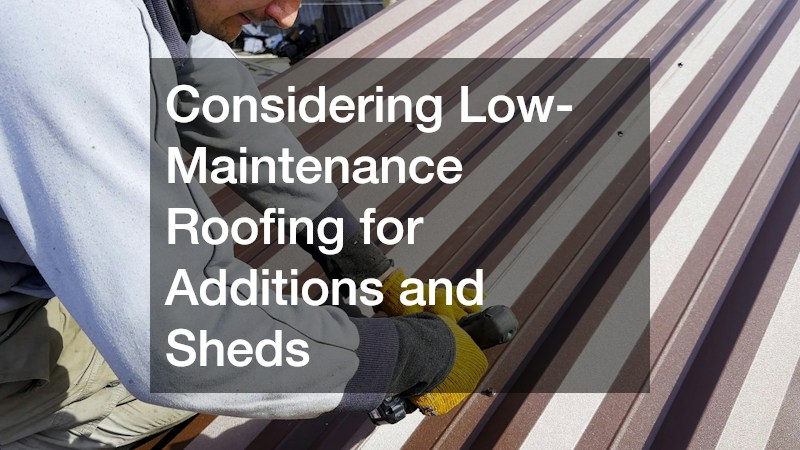
Smaller outdoor structures like sheds, workshops, or covered storage areas often get overlooked when planning for long-term durability, but they face the same weather exposure as your main roof. Traditional materials can work fine, but many homeowners are turning to alternatives that require less upkeep over the years. A PVC roofing contractor can install a membrane system that resists cracking, fading, and water pooling far better than older materials.
These systems work especially well on flatter or low-slope structures where standing water is a common problem. The seamless installation reduces the number of joints where leaks typically start. It’s a smart option if you want an addition that still looks good after a decade of sun and storms.
- Ask about seam welding techniques for watertight installation
- Compare lifespan estimates against traditional shingle options
- Check UV resistance ratings for sun-heavy locations
- Confirm compatibility with any rooftop equipment or vents
Scheduling Maintenance Checks for Outdoor Comfort Systems
Outdoor additions often come with systems that need regular attention, from irrigation lines to the cooling and heating equipment that keeps nearby living spaces comfortable. Skipping routine checkups is one of the most common reasons these systems fail earlier than expected. Setting a seasonal reminder for inspections helps you catch small problems before they become expensive emergencies.
Timely AC repairs during the shoulder seasons, like spring or early fall, tend to be less expensive and faster to schedule than emergency calls during a heatwave. Technicians have more availability and can often source parts without the rush fees that come with peak-season demand. Treat these checkups as preventive care rather than a reaction to a breakdown.
- Schedule inspections in spring and fall rather than peak season
- Keep an eye on energy bills for sudden unexplained increases
- Replace air filters on a consistent monthly or quarterly schedule
- Document repair history to spot recurring mechanical issues
Adding Shade Structures That Extend Outdoor Living Seasons
Not every outdoor space needs a full roof to become more usable throughout the year. Retractable or fixed awnings offer a flexible middle ground, providing shade during peak summer heat while allowing more sunlight through during cooler months. They’re also significantly less expensive than a full patio cover, making them a practical first step for many homeowners.
Quality varies widely in this category, so it pays to look closely at fabric weight, frame material, and wind ratings before buying. Cheaper models can tear or bend during the first strong storm, while sturdier options hold up through years of seasonal use. Retractable versions give you the flexibility to extend them for shade or retract them when you want full sun.
- Choose fade-resistant, water-repellent fabric for longer life
- Check wind ratings before installing in exposed locations
- Consider motorized options for ease of daily adjustment
- Look for frames with rust-resistant coatings in coastal areas
Conclusion
Building outdoor additions that survive every season comes down to planning with the long game in mind rather than chasing the lowest upfront cost. From roofing and lighting to the systems that keep your home comfortable, every decision you make now affects how much time and money you’ll spend on repairs later. Start by identifying which additions matter most to your lifestyle, then research materials and professionals with a proven track record in your climate. A little extra diligence today means years of enjoyment without constant upkeep headaches.