A functional home does more than look attractive. It supports daily routines, helps people move comfortably through their space, reduces unnecessary stress, and creates an environment that works efficiently year after year. While many homeowners focus on cosmetic changes, the most valuable improvements are often the ones that solve practical problems.
A home that functions well can improve comfort, lower utility costs, increase safety, and reduce future maintenance expenses. Whether it is improving climate control, upgrading exterior systems, preventing structural problems, or creating easier-to-use living spaces, strategic updates can make a major difference in how a home performs.
If you are considering ways to improve your property, focusing on practical changes first often provides the greatest long-term return. The following improvements can help create a home that feels more comfortable, efficient, and easier to maintain.
Create Safer and More Efficient Living Spaces Through Electrical Improvements

Electrical systems affect almost every aspect of modern living. Lighting, appliances, charging stations, entertainment systems, and smart devices all rely on a home’s electrical infrastructure. Unfortunately, many homeowners continue using outdated systems that were designed decades ago.
Older homes frequently lack the electrical capacity needed for today’s technology and energy demands.
Common warning signs of electrical issues include:
- Frequently tripped breakers
- Flickering lights
- Warm wall outlets
- Buzzing sounds near switches
- Extension cords used throughout the home
- Limited outlet access in major living areas
Functionality often improves dramatically through small electrical upgrades. For example, adding outlets in convenient locations can eliminate clutter and reduce reliance on power strips. Improved lighting can also make rooms feel larger and easier to use.
Useful upgrades may include:
- Under-cabinet kitchen lighting
- Motion-sensor lighting in hallways
- Outdoor security lighting
- USB charging outlets
- Smart switches and controls
- Dedicated appliance circuits
Energy-efficient lighting systems can also reduce power consumption while improving visibility throughout the home.
Some electrical projects require professional expertise. Working with a local electrician can help homeowners determine whether wiring systems are operating safely and efficiently. Professionals can also identify hidden issues that may not be obvious during everyday use.
When planning improvements, think about how each room functions and identify areas where better lighting or electrical access could simplify daily routines.
Improve Daily Comfort With Better Heating and Cooling Performance
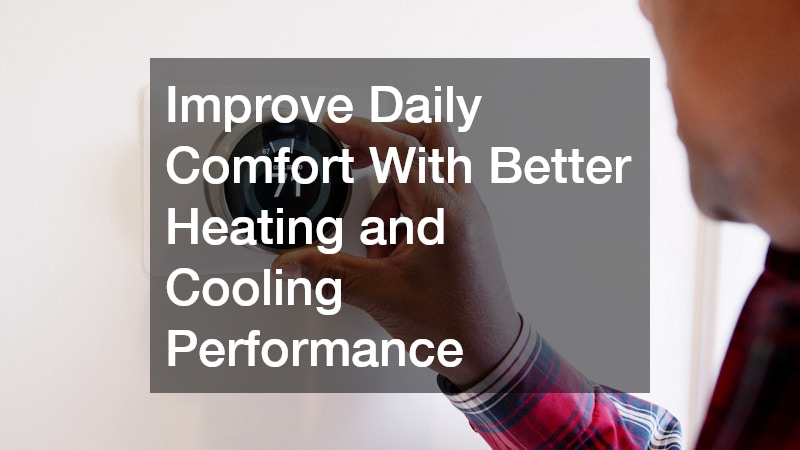
Few things affect home comfort more directly than heating and cooling systems. When indoor temperatures fluctuate or airflow becomes inconsistent, daily life becomes less comfortable.
Many homeowners do not realize that heating and cooling equipment can lose efficiency gradually over time. Because these changes happen slowly, they often go unnoticed until major problems appear.
Signs that climate systems may need attention include:
- Rooms that feel warmer or colder than others
- Rising energy bills
- Unusual noises
- Poor airflow
- Frequent repairs
- Systems running continuously
Preventive maintenance is one of the simplest ways to maintain system performance. A regular furnace inspection can identify worn parts, airflow restrictions, or efficiency issues before they become costly problems.
Benefits of routine maintenance include:
- Reduced repair expenses
- Better indoor comfort
- Improved energy efficiency
- Longer equipment lifespan
- More consistent temperatures
Cooling systems also play an important role in functionality. Older systems may struggle to maintain comfort levels during peak temperatures. When systems become inefficient or outdated, homeowners may consider ac installation as part of a long-term upgrade strategy.
Before moving forward with new equipment, consider:
- Home square footage
- Existing ductwork condition
- Energy-efficiency ratings
- Insulation levels
- Household comfort preferences
Simple changes can also improve heating and cooling performance:
- Replace filters regularly
- Seal air leaks around doors
- Keep vents unobstructed
- Use programmable thermostats
- Schedule seasonal maintenance
Small adjustments often create noticeable improvements in comfort while helping homeowners manage energy costs.
Upgrade Water Systems to Prevent Costly Household Problems
Water systems influence many daily activities, including cooking, cleaning, bathing, and laundry. Because plumbing systems operate behind walls and under floors, problems sometimes remain hidden until visible damage appears.
Ignoring small plumbing issues can eventually lead to larger and more expensive repairs.
Watch for warning signs such as:
- Low water pressure
- Slow drains
- Water stains
- Mold growth
- Unusual sounds in pipes
- Unexpected increases in water bills
Homeowners can improve functionality by investing in practical plumbing upgrades.
Examples include:
- Low-flow fixtures
- Touchless faucets
- Water filtration systems
- Tankless water heaters
- Pipe replacements
- Leak detection devices
Water-saving features often provide two major advantages. First, they improve efficiency by reducing water consumption. Second, they may lower monthly utility expenses.
Leaks can be especially problematic because they often develop gradually.
Possible indicators of hidden leaks include:
- Damp smells
- Warped flooring
- Soft drywall
- Peeling paint
- Unexplained moisture
Complex repairs and installations typically require professional assistance. Experienced plumbing contractors can inspect systems, diagnose issues, and recommend improvements that fit both household needs and long-term budgets.
Addressing water-related concerns early can prevent structural damage and preserve the overall functionality of the home.
Strengthen Protection Against Weather and Structural Damage
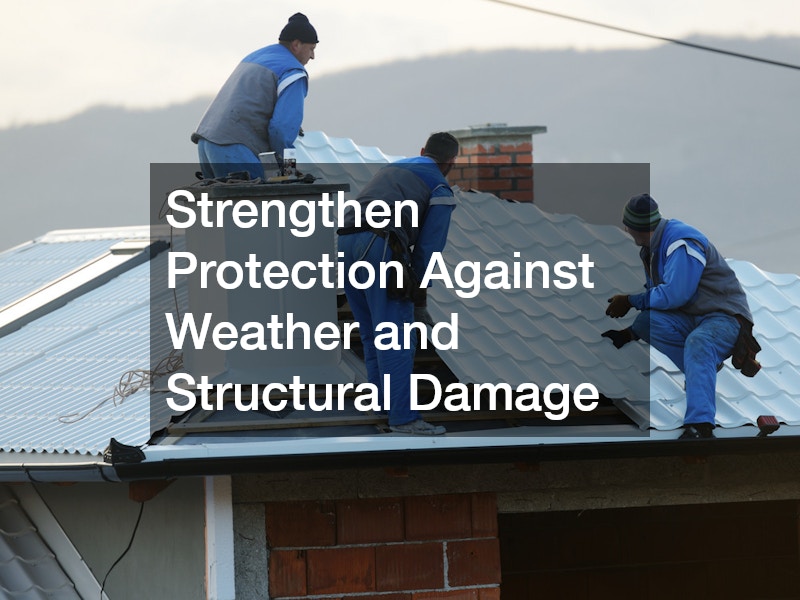
Exterior systems play an essential role in protecting a home from moisture, temperature changes, and environmental wear. When these protective systems begin to deteriorate, damage can spread into other areas of the property.
Roof systems are especially important because they provide the first layer of defense against weather conditions.
Potential signs of roofing problems include:
- Missing shingles
- Water stains on ceilings
- Sagging areas
- Granule buildup in gutters
- Visible wear around flashing
- Moss growth
Routine inspections can help homeowners identify issues before they become major repairs.
Recommended maintenance practices include:
- Cleaning gutters regularly
- Removing debris
- Checking attic spaces for moisture
- Inspecting flashing areas
- Monitoring for signs of leaks
Another commonly overlooked area is the chimney system. Even homeowners who rarely use fireplaces should pay attention to chimney conditions because weather exposure can gradually weaken masonry materials.
Indicators that chimney repairs may be necessary include:
- Cracked mortar
- Leaning structures
- Water infiltration
- Loose bricks
- Damaged chimney caps
Ignoring these problems can eventually lead to moisture damage and safety concerns.
Preventive maintenance typically costs far less than emergency structural repairs. Investing in routine inspections and addressing small issues early helps preserve the integrity of the entire home.
Improve Energy Efficiency Through Exterior Enhancements
Many homeowners focus heavily on interior spaces while overlooking the importance of exterior performance. However, exterior materials directly affect comfort, insulation, and energy efficiency.
Walls and windows create a barrier between indoor environments and changing outdoor conditions. When these systems begin to fail, homeowners may experience:
- Drafts
- Uneven temperatures
- Higher utility bills
- Increased moisture
- Reduced comfort
Visible warning signs can include:
- Cracked materials
- Warping
- Fading
- Condensation between window panes
- Air leaks
- Moisture damage
Upgrading exterior materials can create several long-term advantages:
- Better insulation
- Improved weather resistance
- Reduced energy costs
- Lower maintenance needs
- Increased curb appeal
Professionals such as a siding contractor can help homeowners select materials that balance durability, appearance, and performance. Different materials offer unique benefits depending on climate and maintenance preferences.
Likewise, a window contractor can evaluate whether existing windows are contributing to energy loss and recommend solutions that improve efficiency.
When evaluating replacement options, homeowners may consider:
- Energy-efficient glass
- Weather-resistant materials
- UV protection
- Insulated frames
- Noise reduction features
Even small improvements in exterior efficiency can create noticeable comfort improvements throughout the year.
Increase Indoor Functionality Through Smarter Surface Choices
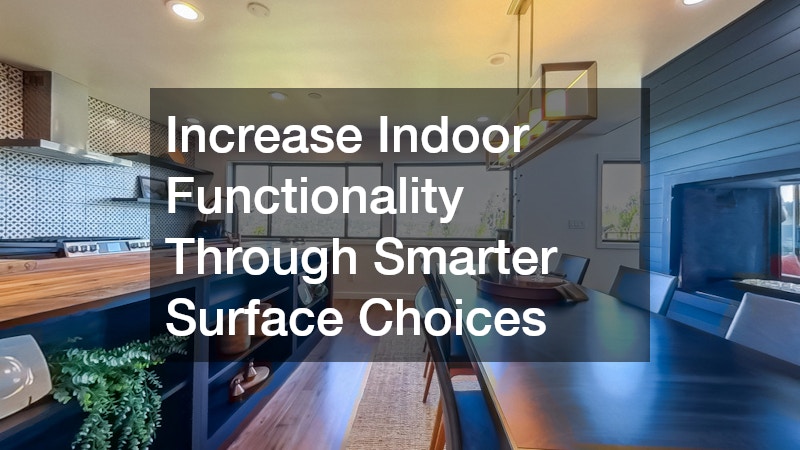
Flooring plays a larger role in home functionality than many people realize. The right materials influence comfort, maintenance requirements, durability, and traffic flow.
Different areas of a home experience different levels of wear, so selecting materials based on use rather than appearance alone often produces better results.
High-traffic spaces typically include:
- Kitchens
- Hallways
- Entryways
- Living rooms
- Family gathering spaces
Lower-traffic spaces may include:
- Guest rooms
- Home offices
- Formal living areas
Practical flooring considerations include:
- Moisture resistance
- Ease of cleaning
- Durability
- Comfort
- Maintenance requirements
- Longevity
For example, kitchens and bathrooms often require materials that resist moisture exposure. Family spaces with children or pets may benefit from scratch-resistant surfaces.
Popular flooring options include:
- Hardwood
- Luxury vinyl
- Laminate
- Tile
- Engineered wood
- Carpet
Each material offers advantages and disadvantages.
Hardwood provides:
- Strong visual appeal
- Long lifespan
- Potential resale value
Luxury vinyl offers:
- Moisture resistance
- Easy maintenance
- Affordability
Tile provides:
- Durability
- Water resistance
- Minimal upkeep
Choosing among these options depends heavily on household lifestyle and priorities.
A flooring contractor can help homeowners assess traffic patterns, maintenance expectations, and long-term performance goals before making decisions.
The right flooring choices can significantly improve how spaces function on a daily basis.
Improve Accessibility and Convenience Around Outdoor Areas
Outdoor spaces contribute more to overall functionality than many people initially expect. Driveways, sidewalks, patios, and pathways affect how people move around the property every day.
Damaged or poorly designed surfaces can create inconvenience and even safety risks.
Potential issues include:
- Cracks
- Uneven surfaces
- Standing water
- Poor drainage
- Narrow walkways
- Surface deterioration
Improving outdoor areas can create several benefits:
- Better accessibility
- Increased safety
- Easier maintenance
- Improved appearance
- Better traffic flow
Driveways and pathways should support both vehicle and foot traffic efficiently.
Design considerations may include:
- Surface durability
- Drainage solutions
- Slip resistance
- Width requirements
- Lighting placement
Outdoor improvements can also make properties easier to use for guests, children, and older family members.
Professional paving services may help homeowners evaluate material choices and determine practical solutions for improving outdoor functionality.
Popular surface materials often include:
- Concrete
- Asphalt
- Pavers
- Natural stone
- Decorative finishes
Selecting the right option depends on climate, budget, maintenance preferences, and long-term goals.
Even relatively simple outdoor improvements can create a noticeable impact on everyday convenience.
Build a Long-Term Home Improvement Strategy
Many homeowners feel overwhelmed when evaluating potential upgrades because there are so many options available, and it can be difficult to know where to start or how to sequence projects in a way that makes financial and practical sense. Rather than trying to tackle everything at once, creating a long-term plan often leads to better results, fewer mistakes, and a home that improves steadily over time instead of through rushed, disconnected decisions.
A strong strategy begins with understanding how the home is actually used on a daily basis, not just how it looks or what feels outdated. Small inefficiencies that seem minor on their own can add up to larger frustrations when they affect multiple areas of the home at once.
Start by identifying functional concerns that affect daily life.
Questions to ask may include:
- Which issues create the most frustration during morning and evening routines, such as delays, temperature discomfort, or limited access to essential spaces?
- What repairs appear urgent based on safety risks, visible damage, or systems that are no longer operating reliably?
- Which systems affect comfort the most, including heating, cooling, water access, lighting, and airflow throughout the home?
- Where are energy costs increasing, and what patterns might indicate inefficiency in insulation, appliances, or structural components?
- What areas require frequent maintenance, and are those recurring issues pointing to deeper underlying problems that should be addressed at the source?
- Which spaces feel underutilized or awkward to move through, suggesting layout or design limitations that reduce functionality?
Once priorities become clear, categorize projects according to urgency and long-term impact. This helps homeowners avoid spending money on cosmetic updates while critical systems remain unresolved.
Immediate priorities:
- Water leaks that can cause hidden structural damage, mold growth, and long-term deterioration if not addressed quickly
- Structural concerns such as foundation cracks, roof instability, or compromised load-bearing elements that may affect safety and home integrity
- Safety issues involving electrical hazards, gas leaks, or fire risks that require prompt attention to protect occupants
- Electrical problems that lead to inconsistent power supply, overloaded circuits, or outdated wiring that cannot support modern usage demands
- Heating failures that affect livability during colder months and may signal broader system inefficiencies or impending equipment breakdowns
- Any active damage that is currently spreading or worsening over time, such as moisture intrusion or pest entry points
Mid-term improvements:
- Efficiency upgrades that reduce long-term utility costs, such as improved insulation, upgraded appliances, air sealing, and smarter energy management systems
- Flooring updates that improve durability, comfort, and ease of maintenance, especially in high-traffic areas that experience daily wear and tear
- Exterior enhancements that strengthen protection against weather exposure while improving insulation performance and overall structural resilience
- Plumbing improvements that address outdated piping, improve water pressure consistency, and introduce more efficient fixtures that reduce waste and prevent leaks
Long-term goals:
- Major renovations that reconfigure existing spaces to better match lifestyle needs, such as open-concept layouts, expanded kitchens, or additional living areas
- Layout modifications that improve flow between rooms, reduce wasted space, and create more intuitive movement throughout the home
- Outdoor redesign projects that enhance curb appeal, usability, and accessibility through improved driveways, walkways, landscaping, and recreational areas
- Whole-home system upgrades that integrate modern technology for lighting, climate control, and security to improve overall efficiency and convenience
Creating a yearly maintenance calendar can also help homeowners stay organized and prevent small issues from becoming expensive emergencies. Breaking tasks into seasonal groups ensures that no important system is overlooked throughout the year and allows maintenance work to be distributed more evenly.
Spring
- Exterior inspections that identify winter damage, including siding cracks, roof wear, foundation shifting, and early signs of moisture intrusion before heavy rain seasons begin
- Gutter cleaning to ensure proper drainage and prevent water from pooling near the foundation, which can lead to structural weakening or basement flooding
- Cooling system maintenance that prepares HVAC equipment for warmer months, improving efficiency and reducing the likelihood of breakdowns during peak usage periods
- Yard and drainage evaluations to ensure water flows away from the home properly, reducing erosion and moisture-related risks
Summer
- Outdoor repairs that take advantage of dry weather conditions, including driveway patching, deck repairs, and sealing outdoor surfaces before seasonal wear increases
- Window inspections to check for air leaks, condensation issues, or seal failures that can affect indoor temperature control and energy efficiency
- Landscaping improvements that support drainage, enhance curb appeal, and reduce overgrowth that may impact siding, roofing, or structural areas
- Exterior painting or sealing projects that protect surfaces from UV exposure and extend material lifespan
Fall
- Heating system maintenance to ensure reliable performance during colder months, including furnace checks, filter replacements, and efficiency testing
- Weather sealing around doors, windows, and exterior joints to reduce drafts and improve insulation before winter temperatures arrive
- Roof evaluations to identify loose shingles, flashing issues, or drainage concerns that could worsen under snow or ice conditions
- Chimney and vent inspections to ensure safe operation and prevent blockages or structural deterioration during seasonal use
Winter
- Indoor inspections focused on identifying drafts, moisture issues, or insulation gaps that may affect comfort and energy use during peak heating demand
- Draft detection around windows, doors, and less obvious areas such as electrical outlets or attic access points
- Preventive planning for upcoming spring projects, including budgeting, contractor research, and material selection to avoid delays
- Monitoring interior humidity levels to prevent condensation-related damage and maintain healthy indoor air quality
Taking a strategic approach prevents homeowners from making rushed decisions while helping ensure improvements align with long-term objectives. It also creates a more predictable and manageable improvement cycle, where each project builds on the last, gradually increasing both comfort and property value over time.
Functional homes are built through thoughtful improvements that make everyday life easier, safer, and more comfortable. While visual upgrades can certainly improve appearance, practical changes often provide greater long-term value.
By focusing on performance, efficiency, and preventive maintenance, homeowners can reduce future repair costs and create spaces that better support daily routines. Evaluating priorities, planning improvements carefully, and investing in areas that enhance usability can lead to a home that works better today and continues performing well for years to come.