Key Takeaways
- Start with a clear inspection and priorities
Understanding your home’s current condition helps you address urgent issues and plan future maintenance effectively. - Follow a consistent maintenance schedule
Breaking tasks into monthly, quarterly, and annual routines keeps your home in good shape without feeling overwhelming. - Focus on prevention to avoid costly repairs
Regular checks and early fixes can save significant money by stopping small problems from escalating. - Maintain both interior and exterior systems
From roofing and gutters to plumbing and HVAC, every part of your home plays a role in safety and efficiency. - Use the right tools and learn basic DIY skills
Having essential tools and knowing simple repairs can make routine upkeep faster and more affordable. - Don’t hesitate to call professionals when needed
Complex or high-risk issues require expert handling to ensure safety and proper repairs. - Stay organized with checklists and records
Tracking maintenance tasks and keeping documentation helps you stay consistent and supports long-term property value.
Becoming a homeowner is an exciting milestone, but it also comes with a new level of responsibility. Unlike renting, where maintenance concerns are often handled by a landlord, owning a home means you are fully accountable for its upkeep, safety, and long-term value. For many first-time homeowners, the transition can feel overwhelming. What needs to be checked regularly? Which repairs should be prioritized? How do you prevent small issues from turning into expensive problems?
The truth is, maintaining a home doesn’t have to be complicated or stressful. With a clear understanding of essential tasks and a proactive approach, you can keep your property in excellent condition year-round. This comprehensive guide will walk you through practical, easy-to-follow home maintenance tips designed specifically for new homeowners. From understanding the basics to creating a long-term plan, you’ll gain the confidence to manage your home effectively and protect your investment.
Why is Home Maintenance Important?
Before diving into specific tasks, it’s important to understand why regular maintenance matters. A well-maintained home is not just about aesthetics—it directly impacts safety, efficiency, and property value.
Neglecting maintenance can lead to costly repairs, reduced energy efficiency, and even health risks. For example, a small roof leak can escalate into structural damage if ignored, while clogged air filters can strain your HVAC system and increase energy bills.
On the other hand, consistent upkeep offers several benefits:
- Prevents costly repairs
Addressing minor issues early helps you avoid expensive fixes later. - Maintains property value
A well-maintained home retains or increases its market value over time. - Improves safety and comfort
Regular checks ensure your home remains a safe and comfortable environment. - Enhances energy efficiency
Proper maintenance reduces energy consumption and lowers utility bills.
Understanding these benefits sets the foundation for a proactive maintenance routine.
What Should New Homeowners Prioritize First?
Starting with the right priorities can make home maintenance feel more manageable. Instead of trying to tackle everything at once, focus on essential systems and high-impact areas.
Inspect the Basics
When you first move in, conduct a thorough inspection of your home. Take note of the condition of:
- Roofing and gutters
- Plumbing systems
- Electrical wiring
- Heating and cooling systems
- Windows and doors
This initial assessment helps you identify urgent issues and create a maintenance plan.
Locate Important Shut-Off Points
Knowing how to quickly shut off water, gas, and electricity can prevent serious damage during emergencies. Familiarize yourself with:
- Main water valve
- Circuit breaker panel
- Gas shut-off valve
These are critical for safety and quick response during unexpected situations.
How Often Should You Maintain Your Home?
One of the most common questions new homeowners ask is how frequently maintenance tasks should be performed. The answer depends on the type of task, but a structured schedule can simplify things.
Monthly Tasks
- Inspect HVAC filters and replace if needed
- Check for leaks under sinks and around appliances
- Test smoke and carbon monoxide detectors
- Clean kitchen exhaust filters
These tasks are quick but essential for maintaining daily functionality and safety.
Quarterly Tasks
- Inspect windows and doors for drafts
- Check the water heater for leaks or corrosion
- Clean the garbage disposal and drains
- Test garage door operation
Quarterly maintenance ensures that key systems continue running smoothly.
Annual Tasks
- Service HVAC systems
- Inspect the roof and gutters
- Flush water heater
- Check the foundation for cracks
Annual tasks are more comprehensive and help prevent long-term damage.
How Can You Maintain Your Home’s Exterior?
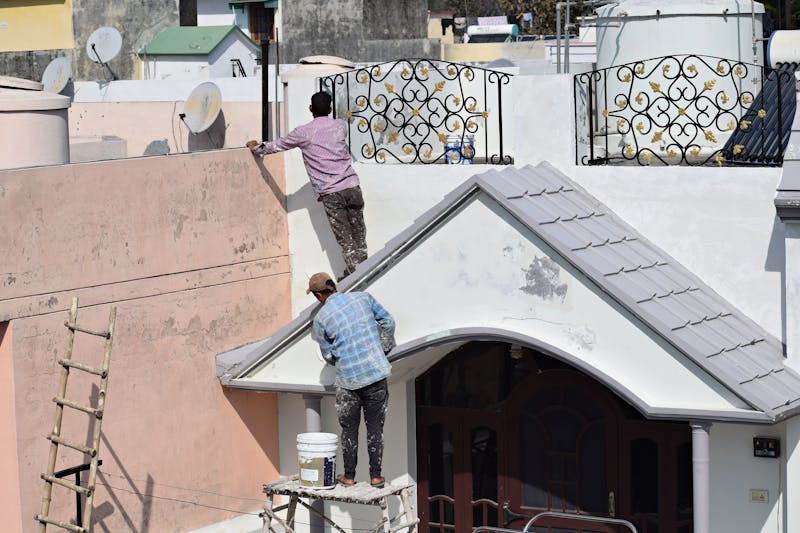
Your home’s exterior serves as the first line of defense against weather and environmental elements. Regular upkeep is crucial to prevent deterioration.
Roof and Gutters
Your roof protects everything beneath it, making it one of the most critical components of your home.
- Inspect for damaged or missing shingles
Even small issues can lead to leaks if not addressed promptly. - Clean gutters regularly
Clogged gutters can cause water to overflow and damage your foundation. - Check for signs of water damage
Look for stains or sagging areas that indicate potential problems.
Walls and Paint
Exterior walls and paint protect your home from moisture and wear.
- Look for cracks or peeling paint
These can expose your home to water damage. - Repaint when necessary
Fresh paint not only improves appearance but also provides protection.
Driveways and Walkways
- Repair cracks early
Small cracks can expand over time due to weather conditions. - Keep surfaces clean
Regular cleaning prevents the buildup of dirt and debris.
Maintaining the exterior helps preserve both functionality and curb appeal.
What About Indoor Maintenance?
Interior maintenance is just as important as exterior upkeep. It ensures comfort, safety, and efficiency in your daily living environment.
Plumbing Care
Plumbing issues can escalate quickly if not addressed.
- Check for leaks regularly
Even minor leaks can lead to water damage and mold growth. - Avoid clogged drains
Use drain strainers and avoid disposing of grease or debris in sinks. - Monitor water pressure
Sudden changes may indicate underlying issues.
Electrical System Safety
Electrical systems require careful attention to prevent hazards.
- Inspect outlets and switches
Look for signs of damage or overheating. - Avoid overloading circuits
Use surge protectors when necessary. - Test safety devices
Regularly check breakers and safety switches.
HVAC System Maintenance
Heating and cooling systems are essential for comfort.
- Replace filters regularly
Clean filters improve air quality and system efficiency. - Schedule professional servicing
Annual inspections help extend the lifespan of your system. - Keep vents unobstructed
Proper airflow ensures optimal performance.
How Do You Create a Maintenance Routine That Works?
Consistency is key when it comes to home maintenance. Developing a routine helps you stay on top of tasks without feeling overwhelmed.
Build a Checklist
Create a checklist that includes:
- Monthly, quarterly, and annual tasks
- Seasonal responsibilities
- Emergency preparedness steps
Having everything organized in one place makes it easier to track progress.
Set Reminders
Use digital tools or calendars to schedule maintenance tasks. Automated reminders ensure that nothing is overlooked.
Keep Records
Maintain a record of:
- Repairs and upgrades
- Service dates
- Warranty information
This documentation is valuable for future planning and resale purposes.
What Tools Should Every Homeowner Have?
Having the right tools makes maintenance tasks more efficient and less intimidating.
Basic Tool Kit Essentials
- Hammer
- Screwdrivers (flathead and Phillips)
- Adjustable wrench
- Tape measure
- Level
- Utility knife
These tools are sufficient for most basic repairs.
Safety Equipment
- Gloves
- Safety goggles
- Fire extinguisher
- First aid kit
Safety should always be a priority when performing maintenance tasks.
How Can You Save Money on Home Maintenance?
Maintaining a home doesn’t have to be expensive. Smart strategies can help you reduce costs while keeping your home in excellent condition.
Focus on Prevention
Preventive maintenance is always more affordable than major repairs. Regular inspections and timely fixes can save you significant expenses.
Learn Basic DIY Skills
Handling simple tasks yourself can reduce labor costs. Examples include:
- Replacing air filters
- Fixing minor leaks
- Painting walls
However, always know your limits and call professionals for complex issues.
Compare Service Providers
When hiring professionals, obtain multiple quotes and check reviews. This ensures you receive quality service at a fair price.
How Does Outdoor Space Maintenance Fit In?
Outdoor areas are an extension of your home and require regular attention to remain functional and appealing.
Maintaining your yard, garden, and outdoor features contributes to both aesthetics and usability. Whether you are mowing the lawn, trimming plants, or cleaning outdoor furniture, consistent care makes a noticeable difference.
For homeowners considering upgrades, combining maintenance with improvement projects can be beneficial. For instance, a well-planned approach to a successful backyard renovation can enhance your living space while increasing property value. Regular upkeep ensures that any improvements remain in good condition over time.
What Seasonal Tasks Should You Never Skip?
Seasonal maintenance prepares your home for changing weather conditions and prevents damage.
Spring
- Inspect the roof after winter
- Clean gutters and downspouts
- Check outdoor plumbing
Summer
- Service air conditioning system
- Inspect exterior paint
- Maintain landscaping
Fall
- Clean gutters again
- Inspect the heating system
- Seal gaps and drafts
Winter
- Protect pipes from freezing
- Test heating systems
- Check insulation
Seasonal tasks are crucial for adapting your home to environmental changes.
When Should You Call a Professional?
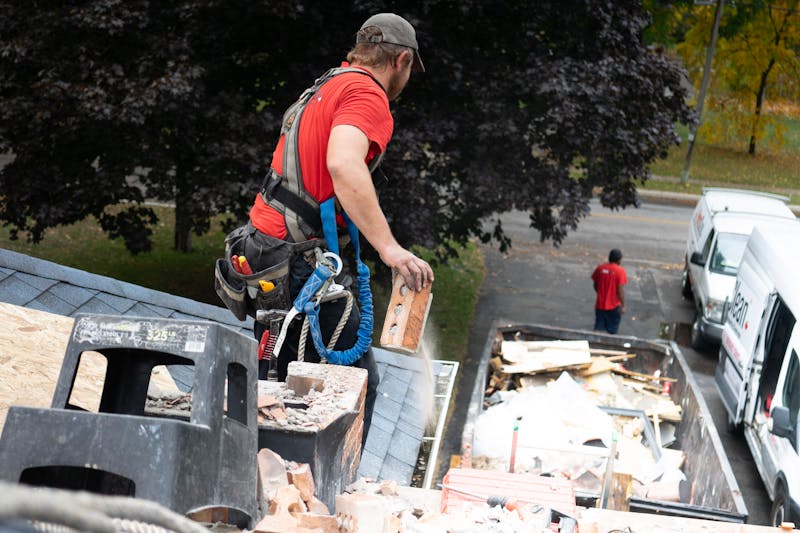
While many maintenance tasks can be handled independently, some require professional expertise.
Situations That Require Experts
- Electrical system repairs
- Major plumbing issues
- Roof repairs
- Structural concerns
Attempting complex repairs without proper knowledge can lead to safety risks and higher costs.
Choosing the Right Professional
- Check licenses and certifications
- Read reviews and testimonials
- Ask for detailed estimates
Hiring qualified professionals ensures that work is done correctly and safely.
How Can Maintenance Improve Long-Term Value?
A well-maintained home is a valuable asset. Regular upkeep not only preserves its condition but also enhances its market appeal.
Buyers are more likely to invest in a property that has been properly maintained. Features such as updated systems, clean interiors, and well-kept exteriors create a positive impression.
Additionally, consistent home improvement and maintenance efforts contribute to long-term savings and increased resale value. Small, ongoing improvements can make a significant difference over time.
What Common Mistakes Should New Homeowners Avoid?
Even with the best intentions, new homeowners can make mistakes that lead to unnecessary expenses or damage.
Ignoring Small Issues
Minor problems can quickly escalate if left unaddressed. Always tackle issues early.
Skipping Regular Inspections
Routine checks are essential for identifying potential problems before they worsen.
Using Incorrect Tools or Materials
Improper tools or materials can cause more harm than good. Always use the right equipment for the job.
Overestimating DIY Skills
While DIY can save money, some tasks are best left to professionals.
Avoiding these mistakes helps you maintain your home more effectively.
How Do You Stay Organized and Consistent?
Staying organized is one of the biggest challenges for new homeowners. Without a system in place, it’s easy to forget important tasks.
Use Digital Apps
Home maintenance apps can help you:
- Track tasks
- Set reminders
- Store records
Create a Maintenance Binder
Keep a physical binder with:
- Manuals
- Receipts
- Service records
Break Tasks into Manageable Steps
Instead of tackling everything at once, focus on smaller tasks over time. This makes maintenance less overwhelming and more achievable.
Building Confidence as a New Homeowner
Learning how to maintain your home is a gradual process. You don’t need to know everything right away. Over time, as you gain experience and knowledge, tasks that once seemed intimidating will become routine.
Start with the basics, stay consistent, and don’t hesitate to seek help when needed. Every step you take toward maintaining your home contributes to its longevity, safety, and overall value.
Owning a home is not just about having a place to live—it’s about creating a space that supports your lifestyle and stands the test of time. With the right approach, you can confidently manage your responsibilities and enjoy the many rewards of homeownership.