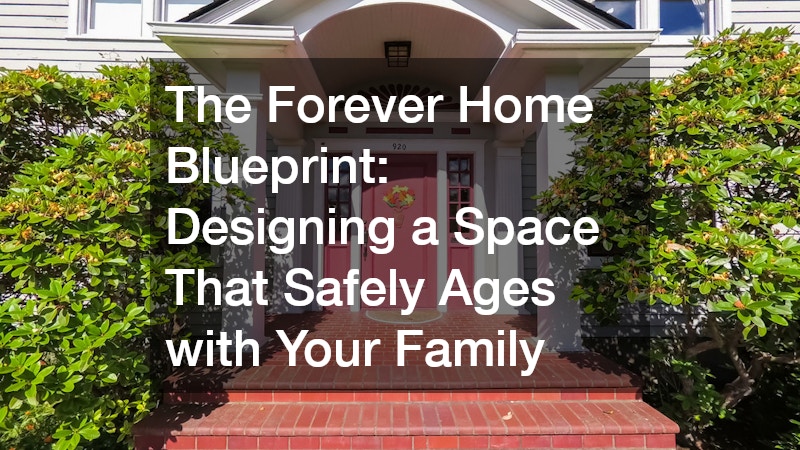

Families change over time. Children grow up and leave the nest, while older parents might move in to stay close to their loved ones. Sometimes, homeowners simply want to remain in the exact property they love for the rest of their lives. Creating a residence that can accommodate these natural shifts requires careful planning and foresight. Long-term comfort is rarely accidental; it is the result of architectural choices that prioritize accessibility, safety, and flexible living arrangements from the very beginning.
When individuals look at residential real estate, they often focus on current cosmetic trends rather than long-term utility. However, true sustainability in housing means designing spaces that remain perfectly functional even as physical mobility or health needs evolve. Planning for these adjustments early can prevent stressful transitions or forced moves down the line. Whether a family decides to start completely from scratch with new home construction or adapt an existing structure, the core objective remains exactly the same. The goal is to build an environment that supports independence, minimizes physical strain, and ensures safety for residents of all ages. By focusing on smart infrastructure and adaptive design, a property transforms from a temporary shelter into a lasting sanctuary that protects the family through every single stage of life.
Understanding Universal Design Fundamentals
To create a home that lasts a lifetime, one must understand the basic tenets of universal design. This design methodology focuses on making environments inherently accessible to all people, regardless of age, size, or physical ability. It avoids specialized or institutional aesthetics in favor of clean lines, wide pathways, and intuitive layouts. Simple choices, like widening hallways to thirty-six inches or eliminating unnecessary threshold steps between rooms, make an immediate difference. These modifications do not just help individuals who use mobility aids; they also make it much easier to carry heavy groceries, manage strollers, or move large pieces of furniture through the house.
When families initiate a comprehensive home remodel, they have a prime opportunity to integrate these principles into their existing spaces. Simple adjustments like replacing traditional doorknobs with lever-style handles or installing rocker switches for lighting can vastly improve daily life. The strategy centers on removing minor daily obstacles before they turn into insurmountable barriers. Smooth transitions between flooring materials, such as moving from hardwood to low-pile carpet, minimize trip hazards significantly. By addressing these details proactively, homeowners can maintain autonomy and stay in control of their environment, ensuring that their house remains a safe and welcoming space for decades.
Culinary Spaces Built for Multiple Generations
The kitchen frequently serves as the central gathering point for any household, making it a critical area for universal design updates. Traditional kitchen layouts often require significant bending, reaching, and heavy lifting, which can become problematic over the years. Modern ergonomic design aims to alleviate this strain by placing essential items within a comfortable zone of reach. Lowered countertops, pull-out pantry shelves, and under-cabinet lighting all contribute to a highly functional workspace. Drawers are generally preferred over deep lower cabinets because they allow residents to view and access contents without kneeling on the floor.
When property owners collaborate with experienced kitchen designers, they can customize these layouts to serve multiple generations simultaneously. For example, installing multi-level countertops allows children or seated adults to assist with meal preparation comfortably alongside others. Placing the microwave at counter height rather than above the range reduces the risk of accidental spills and burns. Task lighting should be positioned strategically over prep areas to reduce glare and accommodate changing eyesight. Clear floor space around islands and appliances ensures that everyone can navigate the kitchen safely, preserving the joy of cooking and shared meals for the entire family.
Creating Secure and Refreshing Bathrooms
Bathrooms present some of the most significant safety hazards in a standard residential layout due to slick surfaces and tight spaces. Transforming these rooms into secure environments requires moving away from traditional tub-and-shower configurations. Zero-threshold entries, frequently referred to as curbless showers, allow individuals to walk or roll directly into the bathing area without stepping over a high ledge. This design choice looks sleek and modern while completely eliminating a major tripping hazard. Slip-resistant tile flooring and built-in shower seating further enhance stability during daily routines.
Securing the services of a certified bathroom remodeling service allows homeowners to execute these upgrades cleanly and professionally. Beyond the shower itself, ample blocking must be installed inside the walls to support heavy-duty grab bars near the toilet and bathing zones. Even if grab bars are not immediately necessary, reinforcing the walls during a renovation saves time and expense later. Proper clearance around the vanity and toilet ensures easy maneuverability for everyone. A well-designed bathroom balances luxury with utility, creating a spa-like environment that offers peace of mind and reduces the risk of slips or falls.
Hidden Utilities and Water Management

Behind the walls of any safe home lies a complex network of mechanical systems that must operate flawlessly to maintain health and comfort. Water safety and temperature control are particularly crucial when designing for children or elderly family members. Fluctuations in water pressure can cause sudden spikes in temperature, leading to dangerous scalding incidents. Anti-scald valves and thermostatic mixing devices should be installed to regulate temperature automatically at the source. Touchless or lever-operated faucets make water access simpler for individuals suffering from arthritis or limited hand strength.
Engaging a professional plumber ensures that these specialized safety valves and fixtures are installed correctly and up to current building codes. Additionally, raising the height of toilets to a comfort-level standard reduces strain on knees and joints when sitting or standing. Wall-mounted sinks can be adjusted to allow proper knee clearance underneath for seated users. Regular maintenance of the main water lines and drainage systems prevents hidden leaks that could compromise flooring stability or air quality over time. Investing in reliable water infrastructure protects both the physical structure of the home and the well-being of the people living inside it.
Flexible Structural Expansions for Growing Families
As families grow or integrate older relatives into the household, the existing footprint of a home may begin to feel restrictive. Maintaining privacy and independence while living under one roof requires distinct zones for different activities and generations. Main-floor bedroom suites are highly sought after because they eliminate the need to climb stairs on a daily basis. When the current layout lacks ground-floor space, homeowners frequently look into structural home additions to solve the problem.
These expansions can take the form of attached guest cottages, extended master wings, or dedicated living suites with independent entrances. Designing these additions with wide doorways, zero-step entries, and independent climate zones ensures maximum comfort for the occupants. It allows older parents to retain their autonomy while staying closely connected to family support networks. These structural expansions also add significant long-term value to the property, making it highly versatile for future occupants. By carefully planning the connection points between the old structure and the new wing, architects can create a seamless flow that enhances the overall livability of the residence.
Modern Electrical Safety and Automation

A modern home relies heavily on stable electrical infrastructure to power automated features, medical equipment, and daily conveniences. As individuals age, high-quality lighting becomes essential for maintaining visibility and preventing accidents in hallways, stairwells, and entryways. Rocker-style switches are much easier to operate than standard toggle switches, especially for those with limited dexterity. Placing outlets higher on the wall, roughly twenty-four inches from the floor, minimizes the need for deep bending when plugging in electronics.
When a system requires updates or experiences frequent breaker trips, prioritizing an electrical repair is crucial for safety. Unsafe wiring poses a serious fire hazard and can disrupt the continuous operation of essential home systems. Homeowners should also consider installing backup generator panels to ensure uninterrupted power during severe weather events or grid failures. Smart home automation, such as voice-activated lighting and automated window shades, can be integrated into the electrical system to reduce physical exertion. Ensuring that the electrical panel has sufficient capacity for these advanced features guarantees that the home can adapt to technological innovations for years to come.
Protecting the Structural Envelope from the Elements
Maintaining the safety and longevity of a residential property requires constant vigilance regarding the building envelope. The roof serves as the primary barrier against environmental elements, shielding the interior from rain, wind, snow, and extreme heat. A compromised roof can lead to hidden structural rot, mold growth, and damaged ceilings, all of which compromise the safety of the occupants. Regular inspections help identify missing shingles, damaged flashing, or blocked gutters before they turn into major disasters.
Working with a skilled roofer ensures that any wear and tear is addressed with durable materials that can withstand local weather patterns for decades. Selecting high-quality roofing materials, such as impact-resistant shingles or standing-seam metal, extends the lifespan of the structure and minimizes the need for frequent, dangerous maintenance tasks. Proper attic ventilation is also critical, as it regulates indoor temperatures and prevents moisture buildup that can degrade structural beams. By keeping the top of the house completely secure, homeowners protect the financial and physical investments made in the lower floors, ensuring a dry, safe, and stable indoor environment.
Perimeter Security and Defining Boundaries

The concept of a forever home extends well beyond the interior walls to encompass the entire property line. Creating a safe outdoor environment is just as important as designing an accessible kitchen or bathroom. Boundaries help define safe play areas for children and keep pets contained, while also offering privacy from neighbors. For older adults, clearly defined walkways and secure perimeters provide a sense of security and confidence when spending time outdoors.
Consulting with a professional fence company allows homeowners to choose durable, low-maintenance materials like vinyl or aluminum that do not require frequent staining or painting. Gates should be wide enough to accommodate lawn equipment or mobility devices, and latch mechanisms should be smooth and easy to operate. Secure fencing also deters unwanted wildlife and trespassers, adding an extra layer of protection to the household. Well-installed perimeters complement the architectural style of the home while establishing a safe zone where family members can relax without worrying about external disruptions or safety hazards.
Designing a Functional and Relaxing Backyard
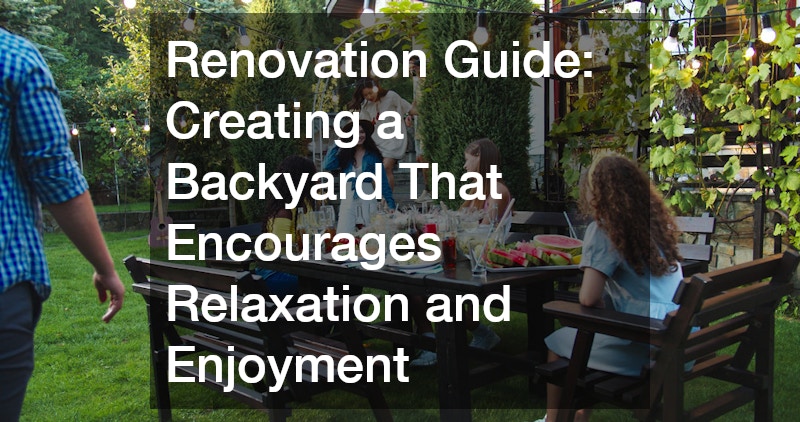
A well-planned backyard functions as an extension of the indoor living space, offering a place for relaxation, exercise, and social gatherings. Access to nature and fresh air significantly improves mental and physical well-being for individuals of all ages. To make outdoor areas truly functional for a lifetime, pathways should be paved with smooth, non-slip materials like brushed concrete or tightly fitted pavers. Steps should be avoided in favor of gentle ramps that blend seamlessly into the landscaping.
Seating areas should be stable and comfortable, allowing family members to rest and enjoy the scenery. Selecting a high-quality outdoor furniture set with sturdy armrests and firm cushions makes it much easier for individuals to sit down and stand up safely. Dining tables should be at an appropriate height to accommodate standard chairs as well as wheelchairs if necessary. Shade structures, such as pergolas or retractable awnings, protect residents from harsh sunlight and overheating during summer months. By designing the backyard with the same care applied to the interior, homeowners create a comprehensive sanctuary that supports an active, outdoor lifestyle for every generation.
Long-Term Financial and Emotional Value
Building or modifying a home to serve a family for a lifetime is an investment in comfort, security, and peace of mind. By focusing on universal design, sturdy infrastructure, and safe outdoor spaces, homeowners can create an environment that adapts beautifully to changing needs. These thoughtful adjustments allow residents to maintain their independence, dignity, and quality of life as the years pass. A forever home is not just a building; it is a supportive partner that grows alongside the family, ensuring safety and happiness for generations to come.
When planning for the future, it is wise to make these physical adaptations early, long before they become absolute necessities. This proactive approach ensures that every transition is smooth and that the property remains a source of joy rather than stress. Ultimately, a house built or renovated with foresight becomes a true anchor for the family, preserving memories and providing shelter through all of life’s many chapters. It offers an enduring environment where everyone can thrive together under one reliable roof.